

Inverter and UPS compatibility
Protocol, voltage range, charge/discharge current, parallel expansion, and alarm behavior should be reviewed before matching rack batteries with inverters or UPS systems.
48V and 51.2V server rack LiFePO4 project review for solar storage, telecom backup, UPS, home backup, C&I storage, microgrids, and modular cabinets—confirm inverter protocol, parallel plan, and cabinet fit before shopping ESS SKUs.
Capabilities
Protocol, voltage range, charge/discharge current, parallel expansion, and alarm behavior should be reviewed before matching rack batteries with inverters or UPS systems.
Module height, rail support, cable routing, breaker layout, ventilation, cabinet protection, and service access are planned around the project site.
Thermal conditioning can be handled either at the enclosure/room level (HVAC air conditioning or liquid cooling loops) or integrated into the module structure. When the host cabinet provides ambient temperature regulation, modules leverage internal air channels for balanced cell cooling. For deployments in unconditioned outdoor environments, cell heating films and low-temperature charging inhibit logic are configured within the BMS.
While standard 48V/51.2V modules are designed for parallel 48V-class DC buses, high-voltage ESS architectures connect multiple modules in series to match higher DC bus operating windows. This requires upgrading creepage distances, high-voltage connector ratings, system-to-ground dielectric insulation, and daisy-chained BMU architecture reporting to a high-voltage master controller (BCU).
Runtime, depth of discharge, cycle target, parallel count, and future expansion determine the rack battery capacity and system architecture.
Applications
On site
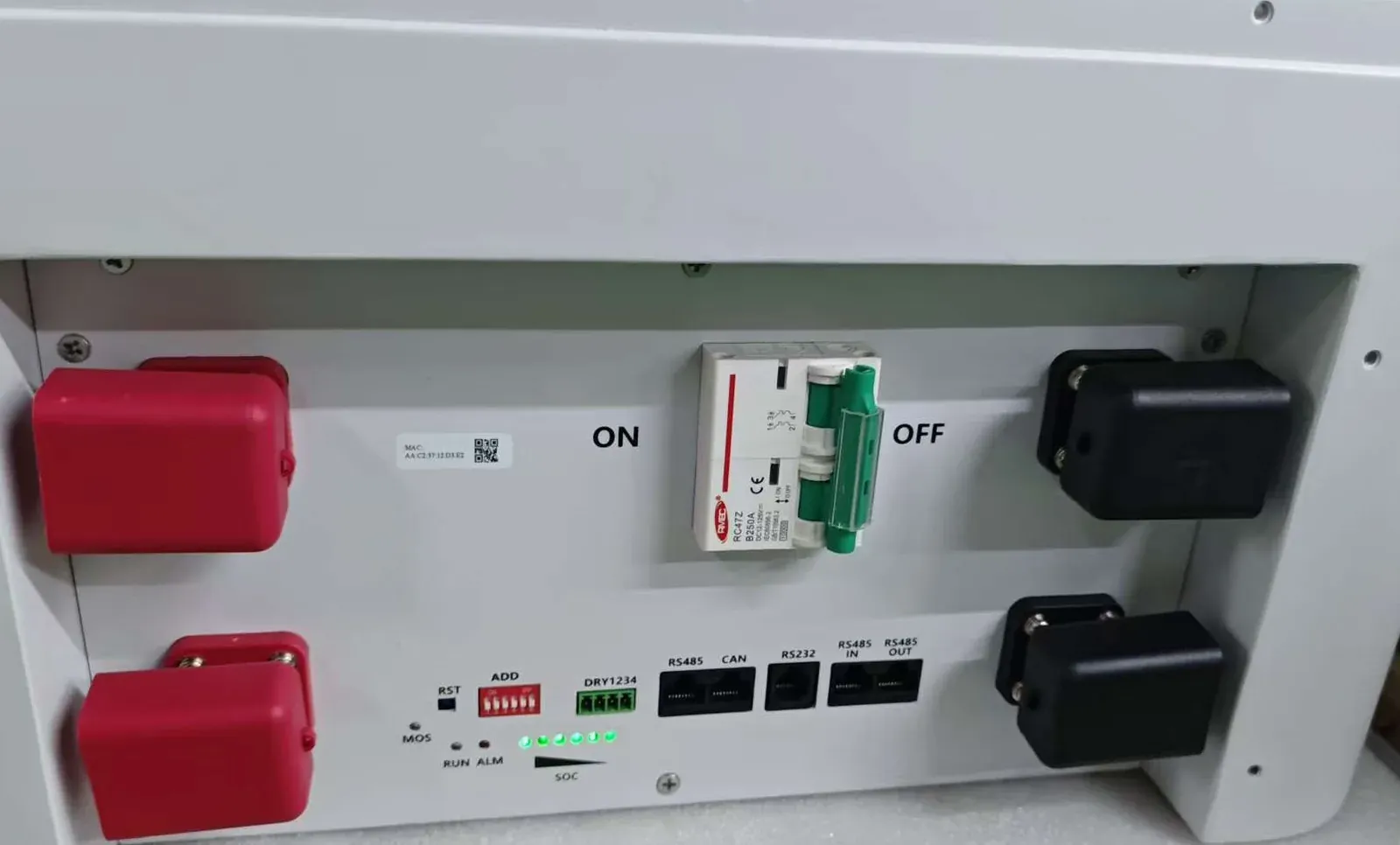
Wiring & communication
Quick-connect terminals, an ON/OFF breaker, RS485 / CAN / RS232 ports, and an SOC indicator bar sit on the front panel for direct inverter or host-system integration inside the cabinet.
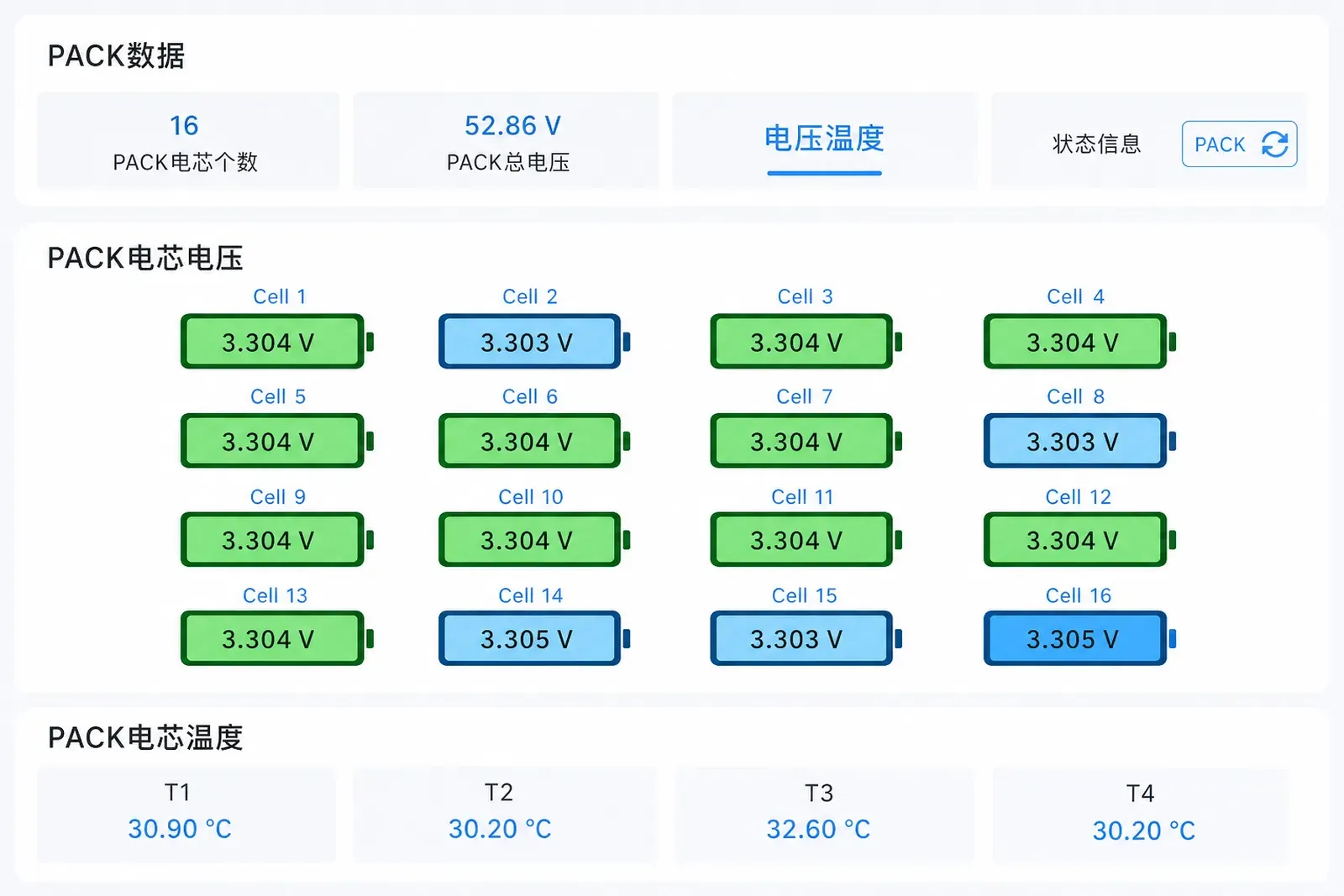
Daily monitoring
The companion app shows per-cell voltages across all 16 series, SOC, temperatures, and protection status in real time — charging and backup status on demand.
Related product options
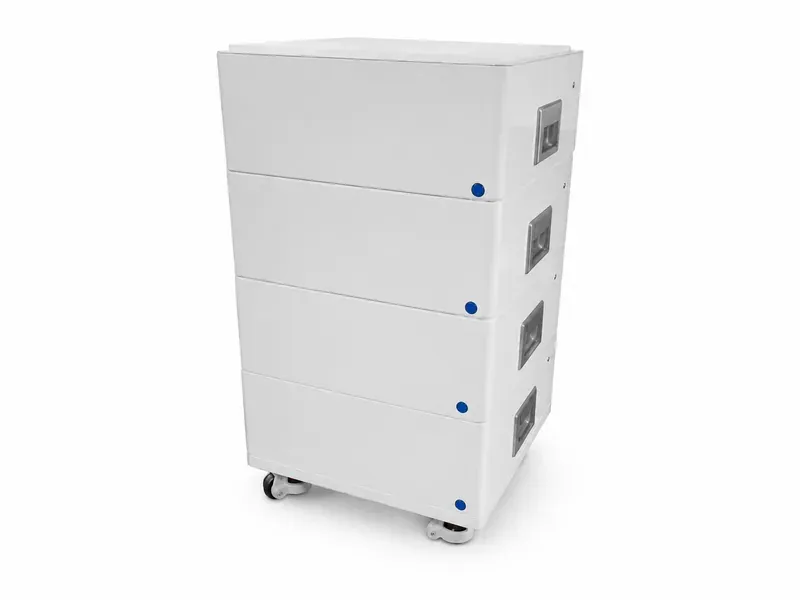
A 48V / 51.2V (16S) rack-mount LiFePO4 battery module for solar storage, home backup, telecom UPS, and modular commercial power projects—the 100Ah / 5.12kWh rack platform.
Key specs
51.2V nominal (48V platform) / 100Ah / 100A continuous / 150A peak / LiFePO4
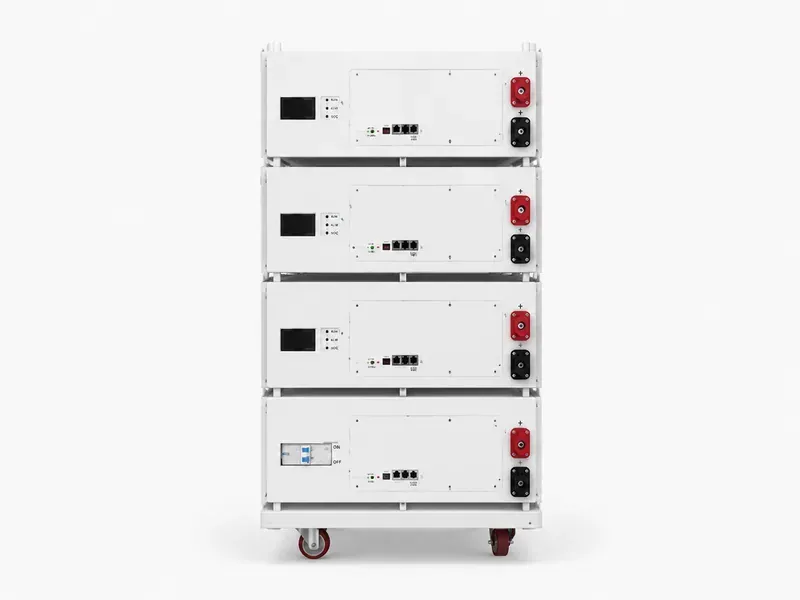
Higher-capacity 48V / 51.2V (16S) rack LiFePO4 battery for longer backup runtime and expanded solar storage—the 200Ah / 10.24kWh rack platform.
Key specs
51.2V nominal (48V platform) / 200Ah / About 150A continuous class / higher peak review / LiFePO4
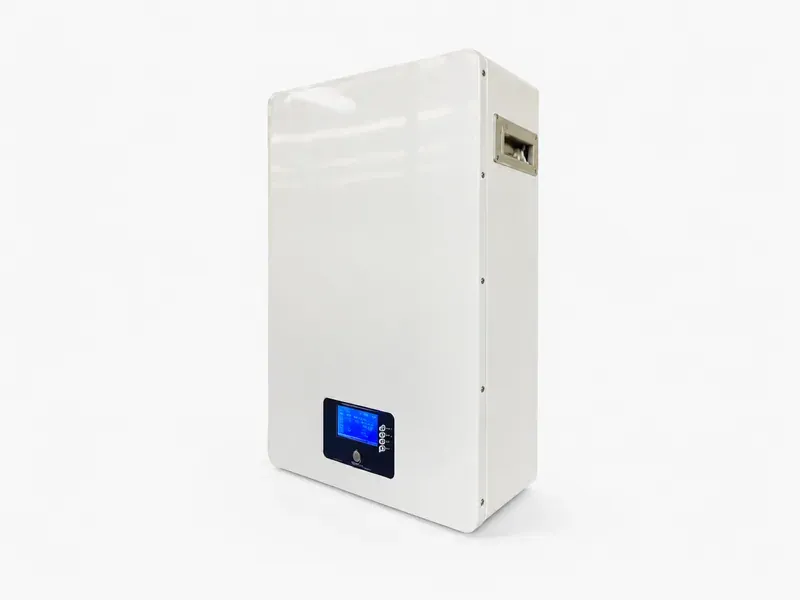
Wall-mounted 51.2V LiFePO4 home battery for residential solar and backup power, including wall / stacked residential install.
Key specs
51.2V nominal (16S) / 50Ah - 300Ah options / About 50A - 200A class by model / LiFePO4
Related sourcing paths
Evaluate electrical topology, bus line loss, and selection principles between low-voltage parallel packs and high-voltage series stacks.
Open Low-Voltage Pack vs High-Voltage ESS Module →How a frozen module interface spans residential stacks, C&I cabinets, and containers without redundant tooling.
Open Modular ESS Battery Platform Design →The main ESS category for rack, wall, cabinet, and stacked systems.
Open 48V / 51.2V ESS & Backup Battery Systems →Internal modules for portable power-station OEM hosts with inverter interface and enclosure planning.
Open Portable Power Station Battery Modules →Application planning for solar storage, home backup, and microgrid projects.
Open Solar & Residential Energy Storage →FAQ
It is commonly used for solar ESS, home backup, telecom backup, UPS, commercial storage, microgrids, and modular cabinet power systems.
Voltage, energy target, inverter or UPS model, runtime target, cabinet or rack size, parallel count, communication protocol, and shipment country are key RFQ inputs.
Parallel expansion depends on BMS design, inverter or UPS protocol, current limits, protection strategy, and installation planning.
Global delivery and project documentation
Staricell plans cell supply, pack engineering, BMS integration, test records, and shipment documents around each shipping country, application duty cycle, certification target, and production schedule.
Cell supply, pack engineering, BMS integration, production testing, and export documents are planned around each buyer's shipping country, application, and volume schedule.
Project files can cover UN38.3, MSDS / SDS, shipment labels, test summaries, and documentation paths for CE, IEC, UL, RoHS / REACH, and other requirements.
Operating temperature, continuous / peak current, enclosure protection, connectors, chargers, communication interfaces, and field-service needs are reviewed before mass production.
Cell batch data, matching records, BMS settings, inspection results, and aging summaries can be aligned before sampling or pilot production.
Project quote
Server rack LiFePO4 battery systems for 48V & 51.2V ESS or telecom backup. Confirm inverter protocols and cabinet fit before shopping modular SKUs.