

Service, delivery, warehouse and security robots
Battery routes for service, delivery, hospitality, warehouse, logistics, and security robots where runtime, opportunity charging, SOC reporting, and field maintenance matter.
Choose a robot battery route by platform, runtime, continuous and peak current, pack envelope, charging strategy, and CAN or RS485 integration before prototype review.
Capabilities
Battery routes for service, delivery, hospitality, warehouse, logistics, and security robots where runtime, opportunity charging, SOC reporting, and field maintenance matter.
Review voltage, continuous power, peak current, charging windows, connector routing, and CAN / RS485 communication for mobile robot platforms.
Configure compact or high-power packs around the robot duty cycle, mechanical envelope, vibration, thermal conditions, and controller requirements.
Match BMS protection, balancing, SOC algorithms, fault reporting, charger behavior, and communication mapping to the robot controller.
Robotics battery selection
Robot dogs, AMRs, service robots, warehouse robots, and industrial robots differ in runtime, peak power, opportunity charging, mechanical envelope, and BMS requirements. Confirm the duty cycle first, then move into a product route and prototype review.
Service and logistics route
Focus on multi-shift runtime, opportunity charging, SOC reporting, quick swap, and field maintenance.
AMR / mobile robot route
Confirm voltage, continuous power, peak current, charging windows, connector routing, and fleet duty cycle.
Industrial robot route
Focus on duty cycle, mechanical envelope, vibration, thermal conditions, BMS communication, and controller fit.
Robot dog route
Focus on weight, peak power, vibration resistance, fast charging, connector fit, and real-time SOC.
These inputs help confirm the robot battery platform, power, runtime, and communication route before prototype and production review.
Applications
Related product options
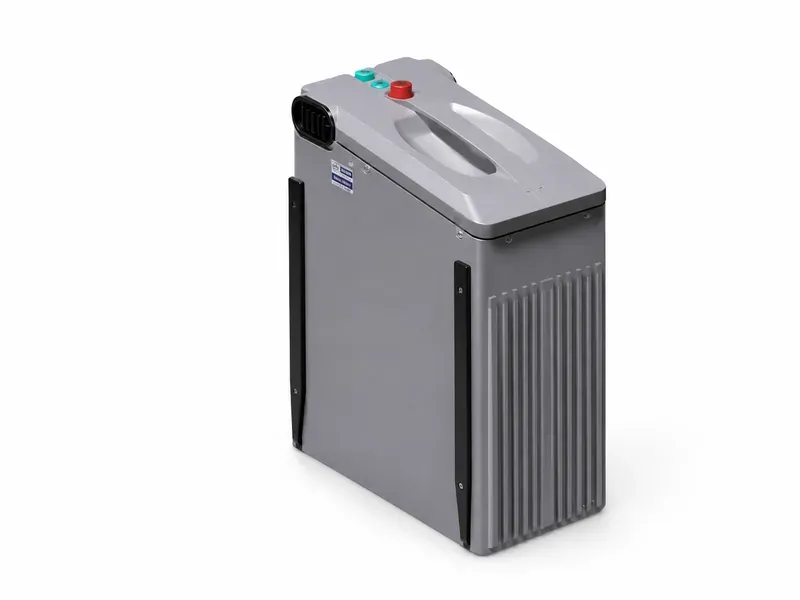
Custom battery systems for robot dogs, legged robots, service robots, warehouse robots, and compact mobile platforms that need peak-power, vibration, enclosure, and BMS communication review.
Key specs
45.5V / 48V examples / 15Ah-43Ah examples / Peak/actuator events reviewed; datasheet packs ~0.7-2.1kWh class / Li-ion / LiFePO4 by platform
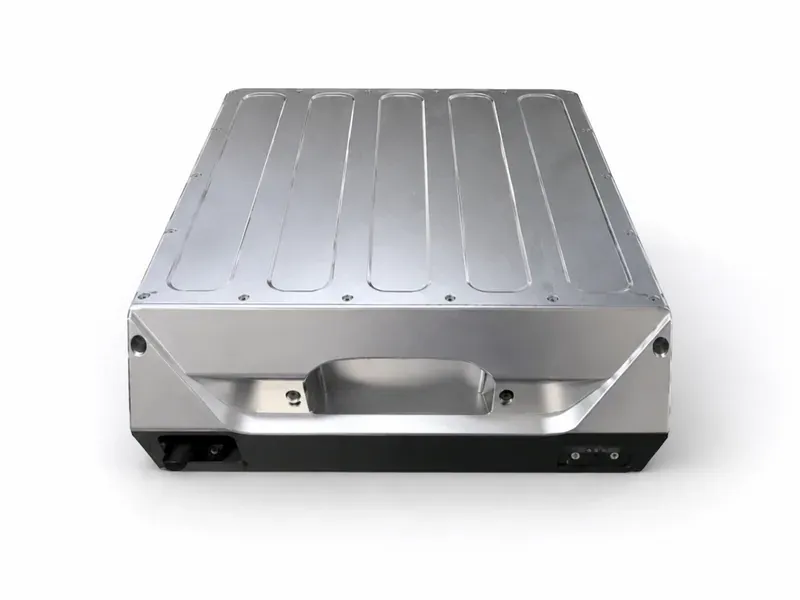
Custom 72V-class battery systems for industrial robots, AMRs, autonomous mobile robots, and higher-power equipment that need runtime, current, charger, harness, and BMS communication review.
Key specs
72V-class examples / 20Ah / 30Ah / 31Ah examples / Continuous vs peak / regen reviewed with fuse–MOS / contactor path / Li-ion / LiFePO4 by platform
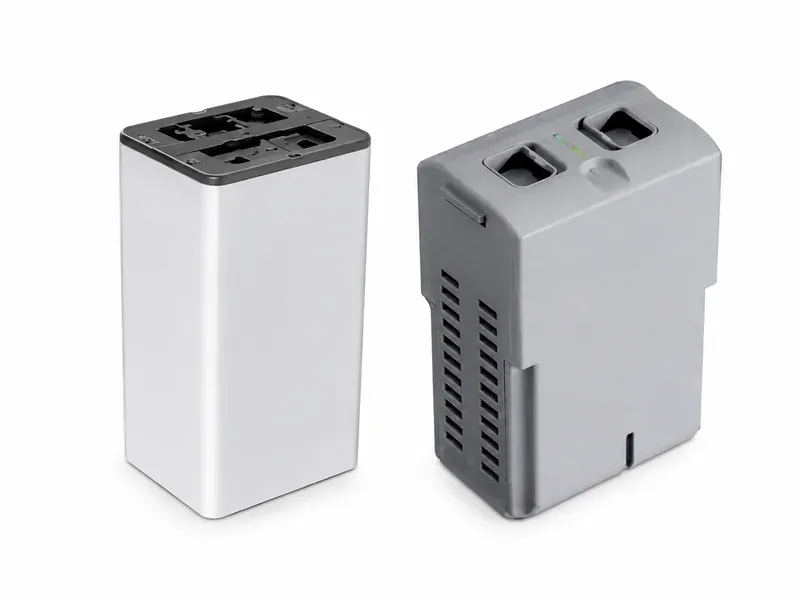
75V-class smart battery modules for robots and industrial equipment that need a defined bay, CAN or RS485 reporting, charger handshake, and a repeatable module building block instead of a full custom pack.
Key specs
75V / 78.75V examples / 60Ah / 90Ah examples / Cont/peak confirmed vs bay cooling + connector rating / Li-ion smart module
Related sourcing paths
Use this guide for selection method and RFQ inputs before shortlisting a product route.
Open How to Choose a Battery for a Robot →Compare protocol choice, message map, and pinout before opening the smart-module SKU.
Open CAN vs RS485 for Robot Battery BMS →Open product routes and SKUs after duty-cycle selection—dog / 72V / smart module.
Open Custom Battery Packs for Robotics →Move from robot requirements to cell selection, PACK architecture, enclosure, BMS, and prototype review when the project is still cross-industry design.
Open Custom Lithium Battery Pack Design →FAQ
Share platform, voltage, capacity or runtime, continuous and peak current, envelope, weight, charging, connector, protocol, temperature, and sample quantity. For the full engineering list, use the Custom Battery Pack RFQ Checklist under Resources; for selection method, open How to Choose a Battery for a Robot.
Open the industrial logistics page for forklift conversion, warehouse AGV duty-cycle selection, and industrial module delivery. Stay here for robot dog, 72V industrial robot, AMR platform packs, and smart module routes.
CAN or RS485 can be reviewed for SOC, faults, protection status, and charger behavior—but ports alone are not compatibility. Use the CAN vs RS485 Robot Battery BMS guide for the protocol checklist, then open the smart-module product route when the message map is clear.
Fast charging and multi-shift operation require a joint review of cell limits, charge current, thermal behavior, BMS settings, charger compatibility, and the robot duty cycle.
Global delivery and project documentation
Staricell plans cell supply, pack engineering, BMS integration, test records, and shipment documents around each shipping country, application duty cycle, certification target, and production schedule.
Cell supply, pack engineering, BMS integration, production testing, and export documents are planned around each buyer's shipping country, application, and volume schedule.
Project files can cover UN38.3, MSDS / SDS, shipment labels, test summaries, and documentation paths for CE, IEC, UL, RoHS / REACH, and other requirements.
Operating temperature, continuous / peak current, enclosure protection, connectors, chargers, communication interfaces, and field-service needs are reviewed before mass production.
Cell batch data, matching records, BMS settings, inspection results, and aging summaries can be aligned before sampling or pilot production.
Project quote
Robot battery selection for AMR, service & industrial platforms. Evaluate duty cycles, CAN/RS485 BMS integration, and envelope limits before sample review.