Custom battery packs for robotics
Compare product routes: robot dog, 72V AMR, and smart module.
Compare robot dog / 48V, 72V AMR, and smart-module product routes, then choose the matching robotics custom pack SKU by voltage platform, energy examples, communication, and integration boundary.
Start with robotics duty-cycle selection
If platform, runtime, current, envelope, and CAN / RS485 needs are still open, open the robotics application page first, then return here to compare product routes.
Open robotics battery selection →
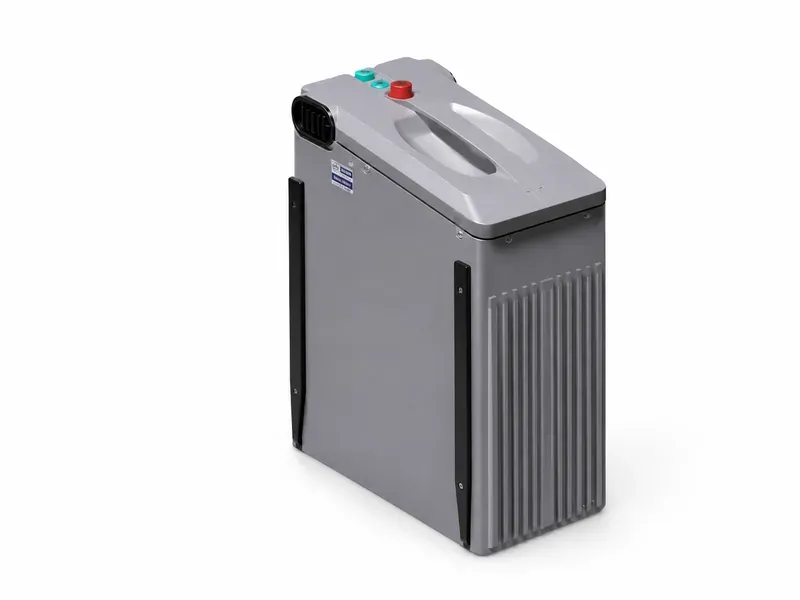
Robot dog and 48V mobile platforms
SKU role: weight-sensitive peak-power packs for legged and compact service platforms.
45.5V / 48V primary0.7–2.1kWh examplesWeight / CG
View robot dog battery → 72V industrial robot and AMR
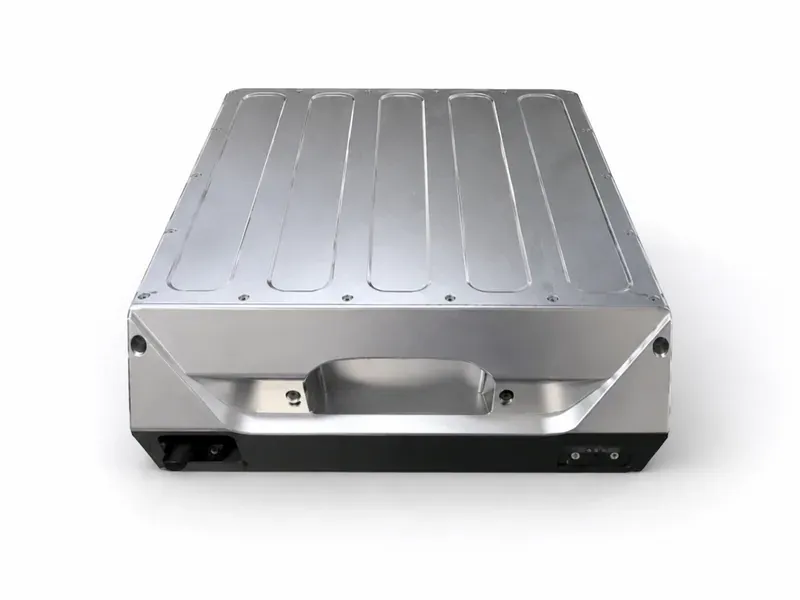
SKU role: 72V-class continuous power and regen review for industrial mobile platforms.
72V-class platform1.5–2.3kWh examplesContinuous / peak current
View 72V robot battery → Smart robot battery module
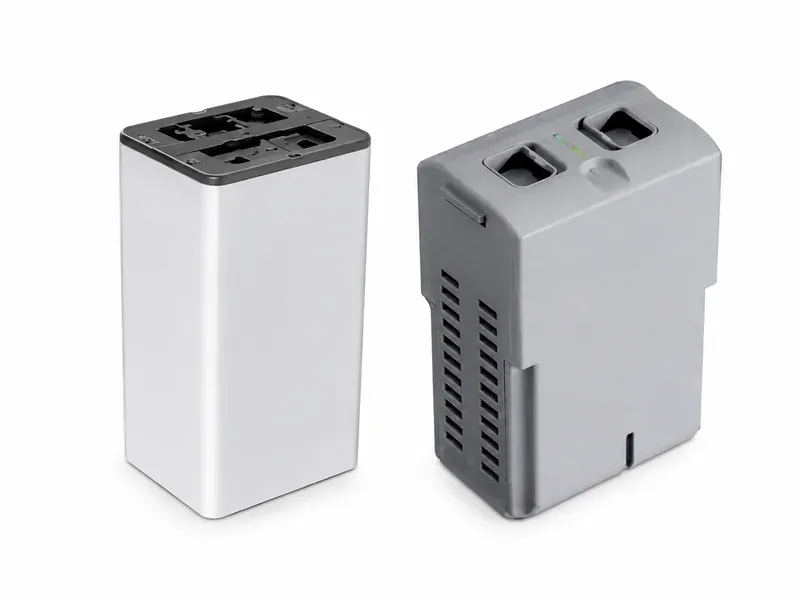
SKU role: CAN / RS485 repeatable modules for defined bays—not a from-scratch full pack.
75V / 78.75V60Ah / 90Ah examplesSOC / fault codes
View smart battery module → Robot battery product-route comparison
The table outlines proven engineering architectures and typical system configurations across robotics applications. Capacity, cell chemistry, mechanical envelope, and protocol integration are customized to match exact chassis constraints and duty cycles, frozen via formal technical agreement prior to prototyping.
| Product route | Voltage platform | Capacity / energy scope | Robot applications |
| Robot dog and mobile robot battery | 45.5V / 48V project examples | Project-specific Ah; 0.7–2.1kWh brochure examples | Robot dogs, legged, service, warehouse, and compact mobile robots |
| 72V industrial robot and AMR | 72V-class platform | Project-specific Ah; 1.5–2.3kWh brochure examples | Industrial robots, AMRs, and autonomous mobile platforms |
| Smart robot battery module | 75V / 78.75V representative configurations | 60Ah / 90Ah examples; rated energy confirmed by approved configuration | Robot equipment requiring CAN / RS485, SOC, and fault reporting |
Robotics pack engineering path
From product route to a validated battery prototype.
1. Product-route confirmation
After duty-cycle selection on the application page, confirm dog / 48V, 72V AMR, or smart-module route.
2. Cell and PACK architecture
Review chemistry, series-parallel layout, capacity, energy, thermal path, fuse, and protection architecture.
3. BMS and mechanical integration
Confirm CAN / RS485, SOC, fault codes, charger, connector, harness, enclosure, mounting orientation, and weight boundary.
4. Prototype and validation
Build against the approved specification and review electrical, thermal, charge-discharge, communication, vibration, and installation fit.
5. Pilot and production
Confirm revision, test records, document status, traceability, packaging, shipping, and production quality control.
Robot pack commercial RFQ inputs
Product route / SKUTarget voltageCapacity / energyContinuous currentPeak currentEnvelope / weightConnector / harnessCAN / RS485ChargerCertification marketSample quantityAnnual quantity
Submit robot battery requirements Move from robot system to custom design
If a standard route does not match the project, continue with cell, PACK architecture, BMS, enclosure, connector, and production requirements.
Open Custom OEM