Staricell lithium battery cell and custom battery pack manufacturer logo
Custom PACK manufacturing process

Custom lithium battery pack manufacturing process and process proof for OEM equipment.

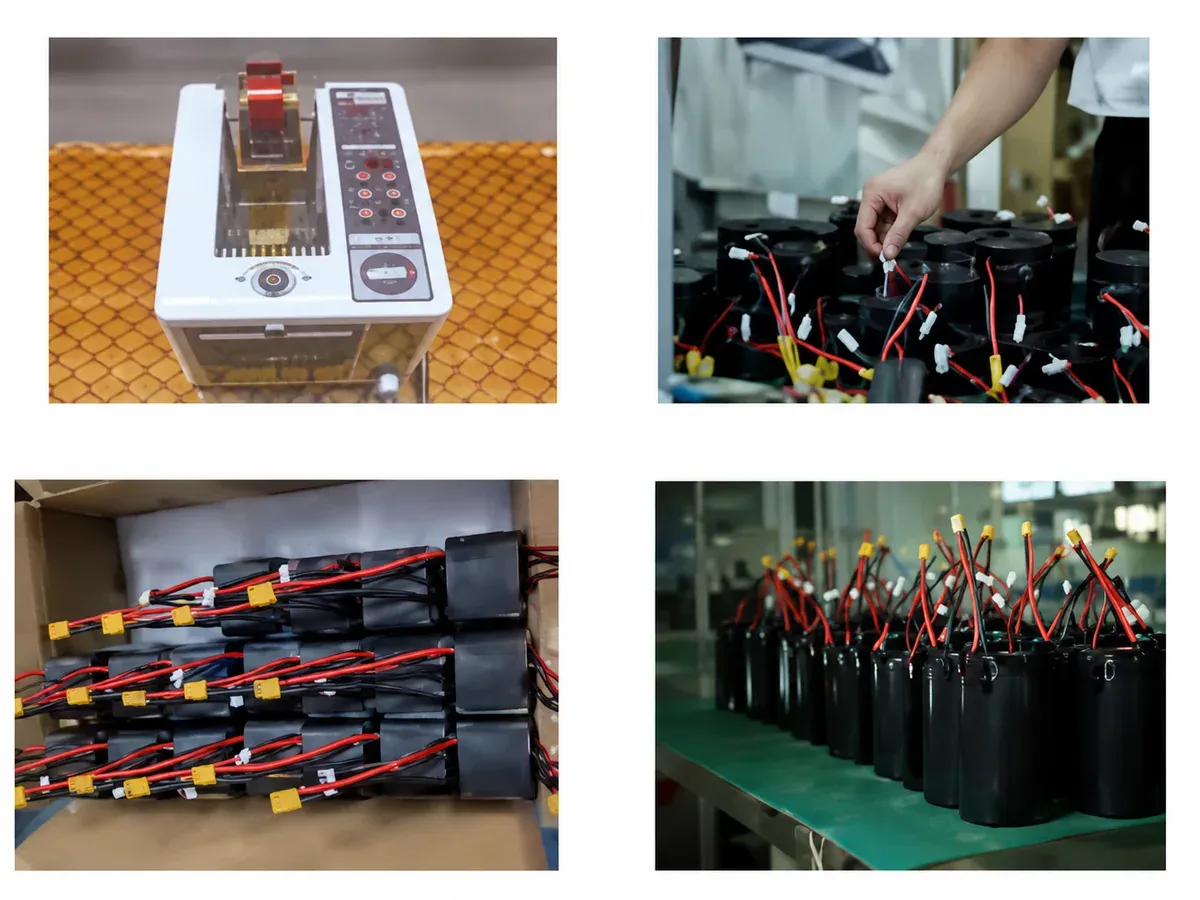
Custom PACK manufacturing path: cell sorting and matching, structural insulation, controlled assembly, BMS and harness integration, voltage-balance testing, and shipment documentation. Quality-control evidence belongs on the quality page.

Custom lithium battery PACK manufacturing process overview
OCV / IR Voltage and IR sorting
Controlled solder Controlled soldering
Contact limit Single-point contact limit
Pack-by-pack Project-threshold checks

PACK manufacturing process

Four stages show the critical process controls behind custom PACK work.

How each custom pack is controlled for consistency, structure, heat input, and delivery condition before sampling or production.

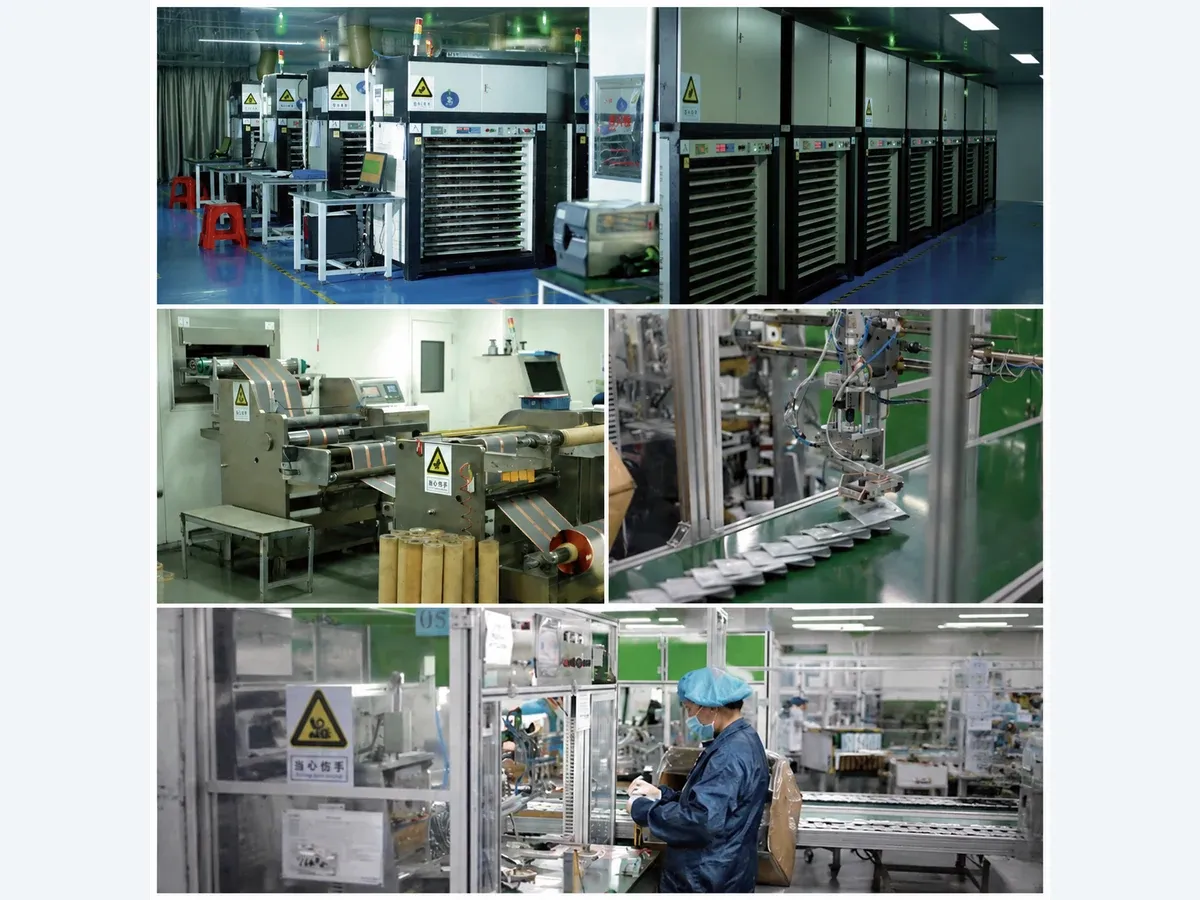
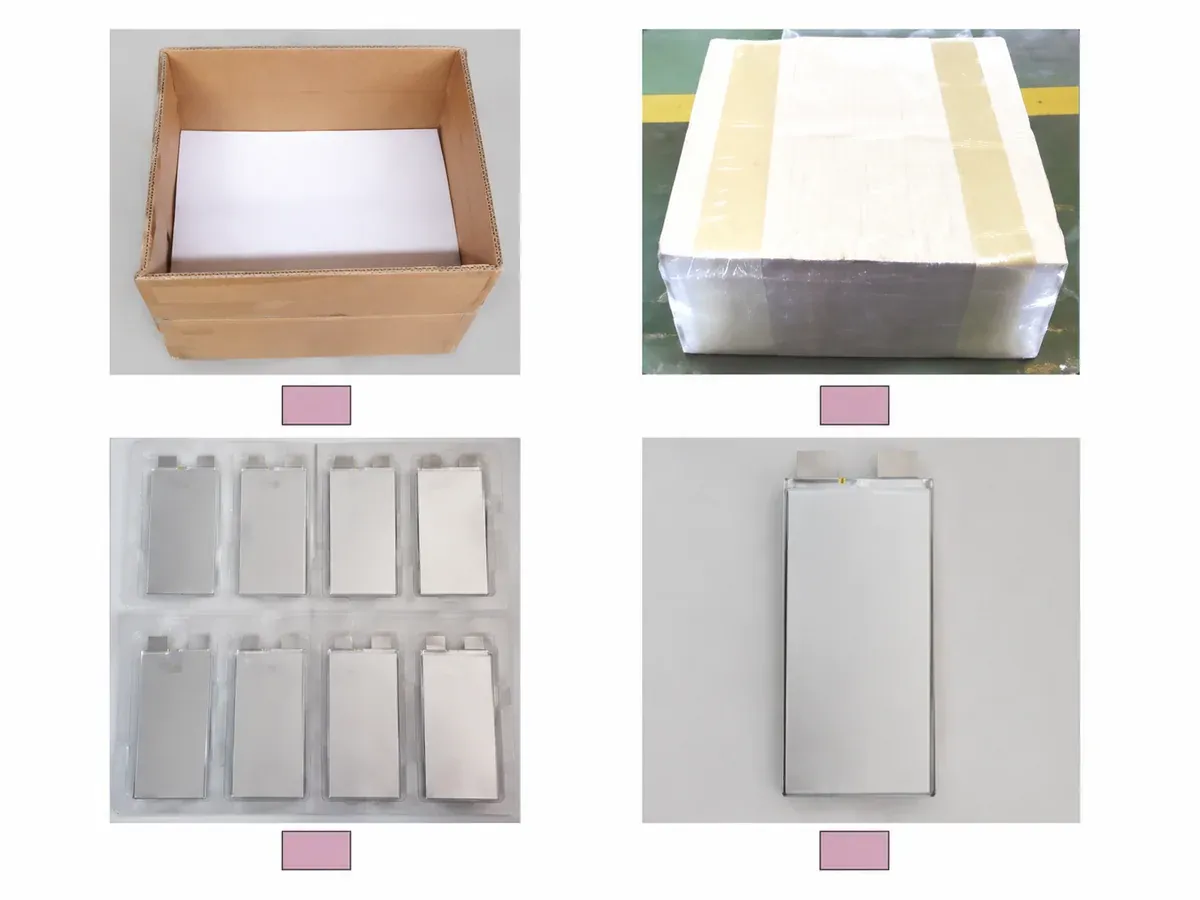
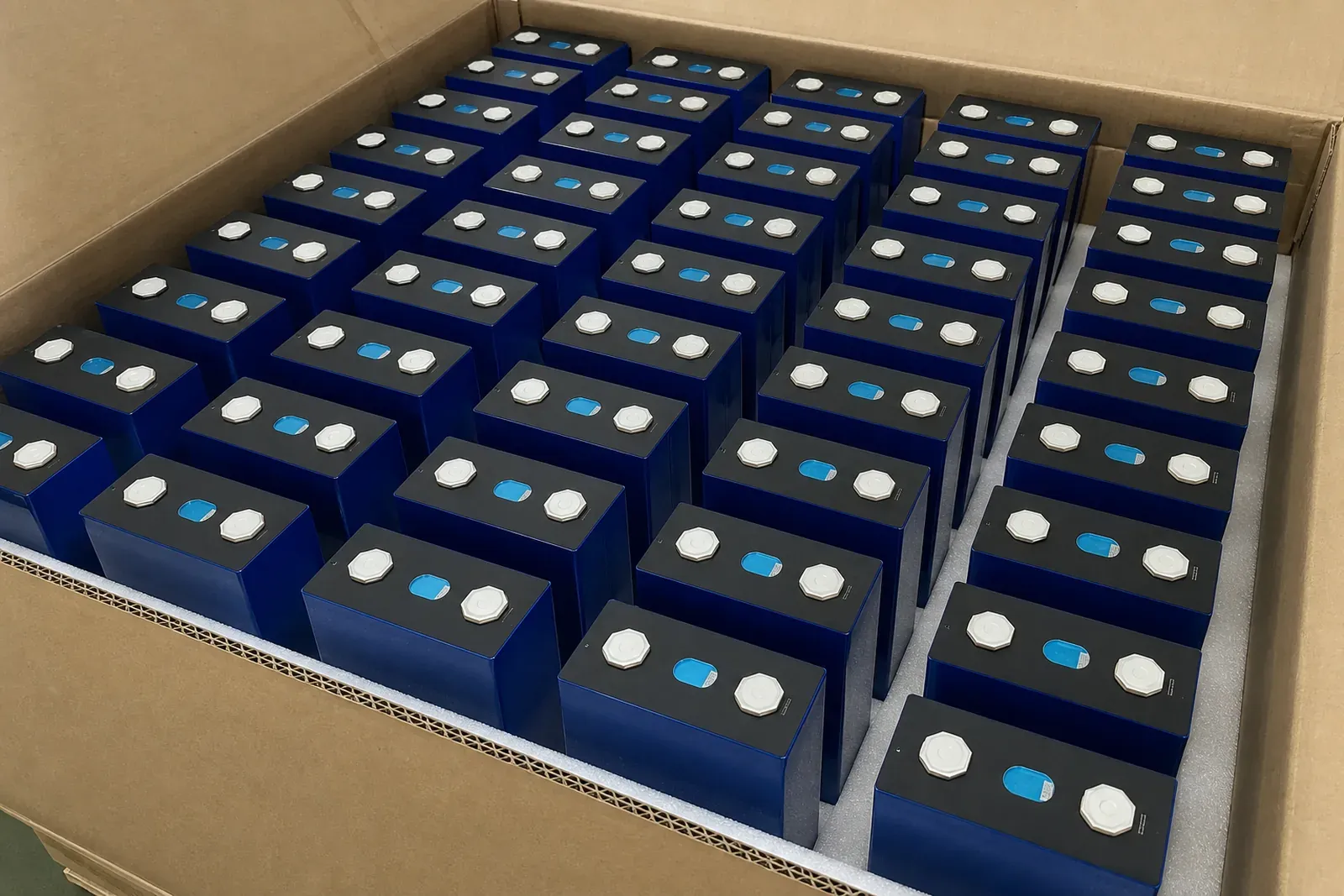
Pouch lithium cells during unboxing inspection and incoming packaging check
01

Material inspection and cell matching

Covers incoming inspection, voltage / IR testing, and coded cell matching.

Incoming inspectionOCV / IR sortingCell codingConsistency-based matching

Cells are screened by voltage and internal resistance per project process rules to reduce the risk of single-cell overheating, voltage sag, and early degradation under high discharge.

Controls PACK consistency at the source

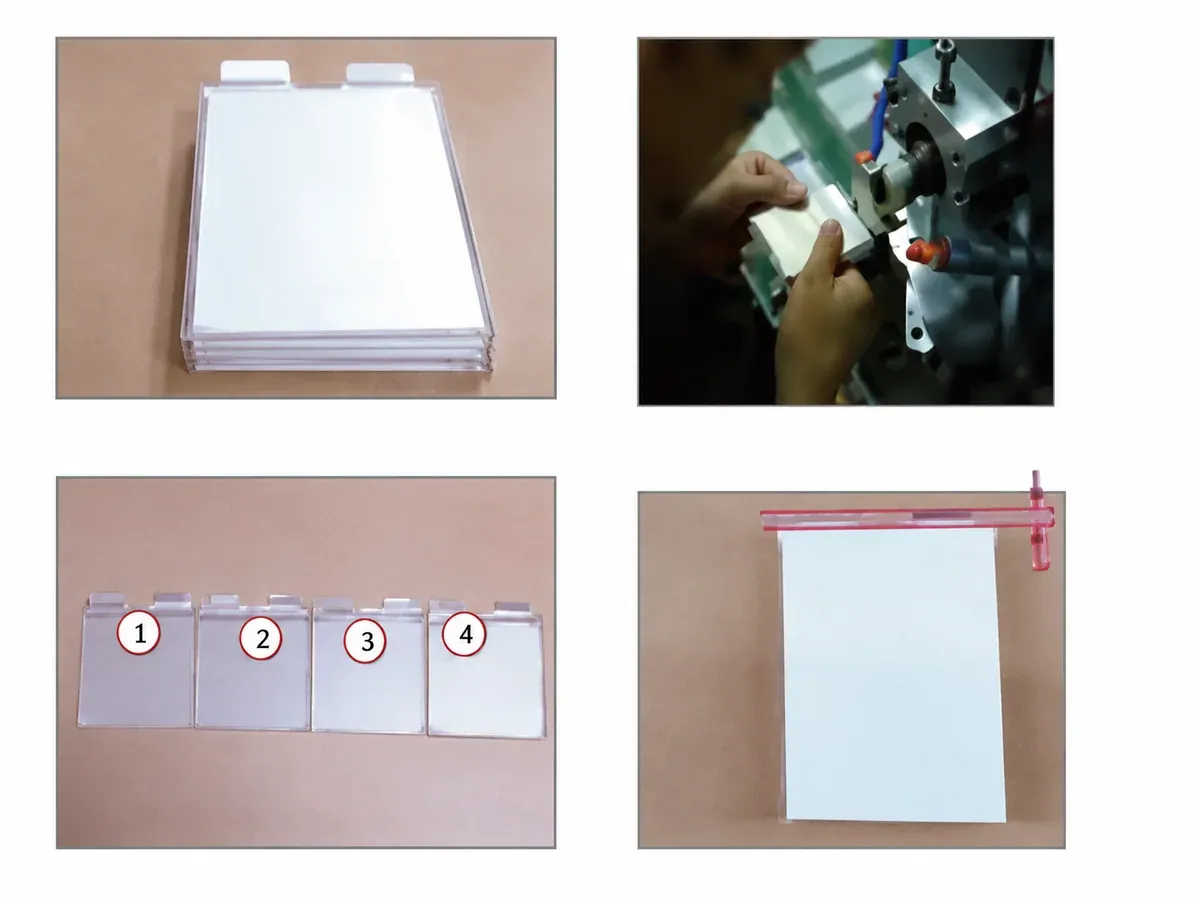
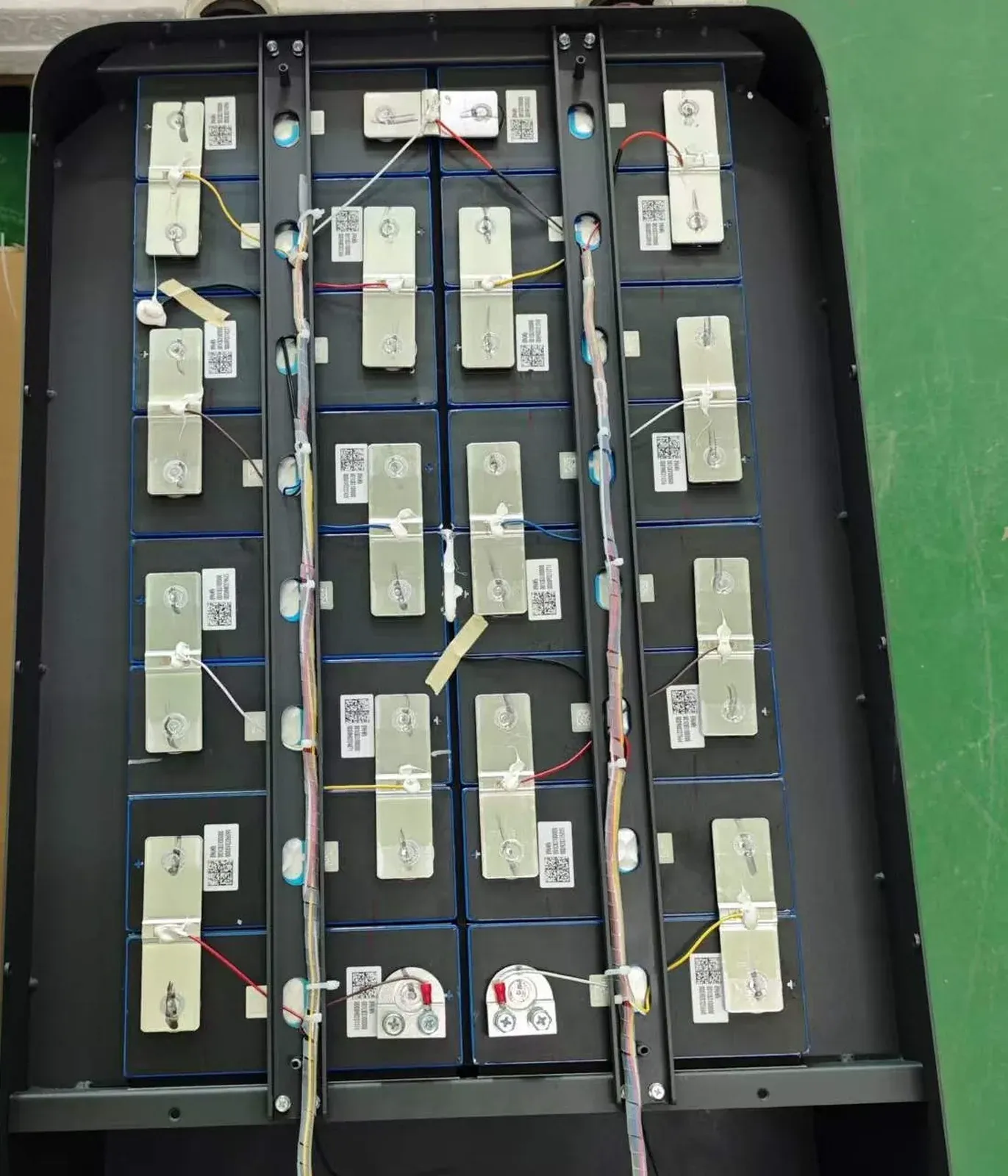
Pouch lithium cell tab trimming and cell forming process
02

Physical forming and insulation protection

Covers tab trimming, tape fixing, and barley-paper insulation.

Tab trimmingTape fixingBarley-paper bottom protectionStructure forming

For vibration, impact, and high-current duty cycles—including UAV and industrial equipment examples—structure fixing and insulation protection improve mechanical stability and electrical safety.

Anti-vibration insulation for high-current duty cycles

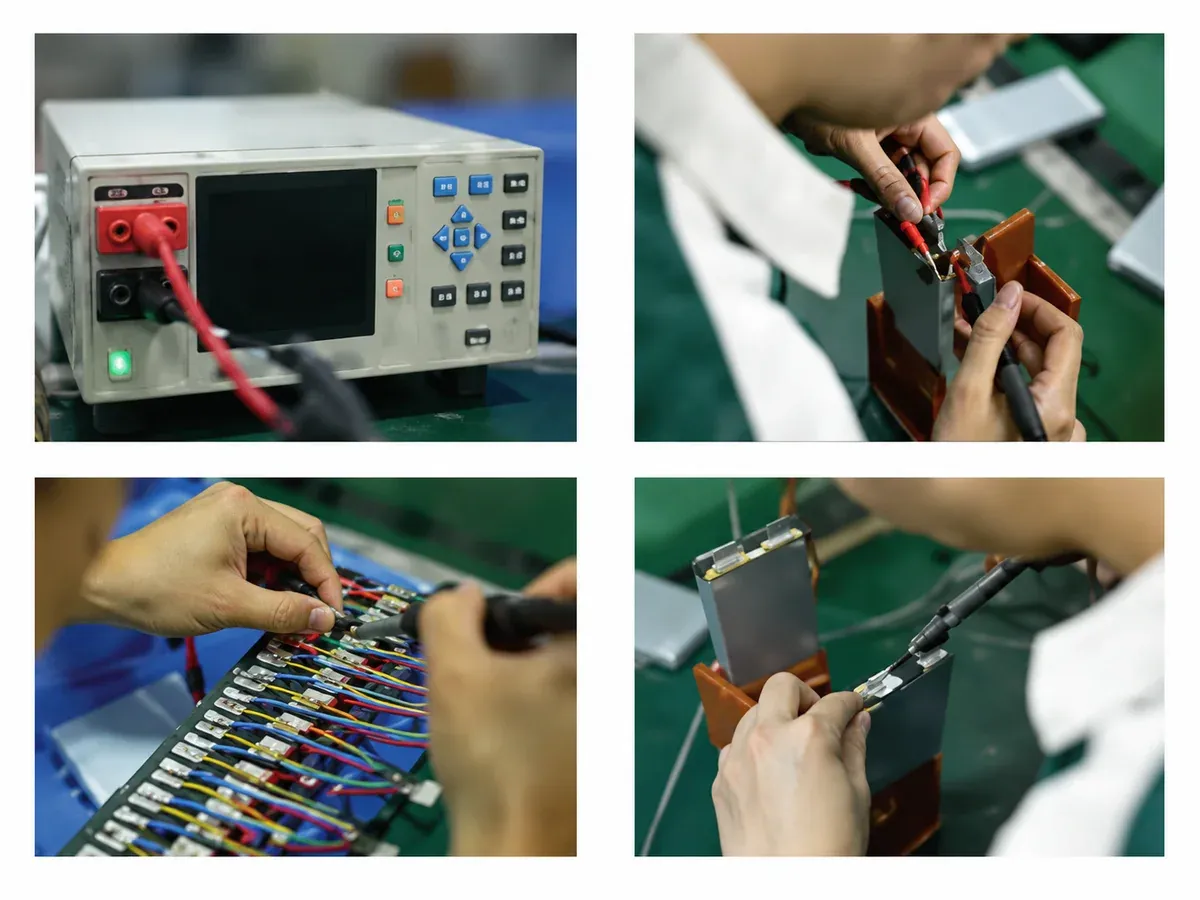
Pouch lithium battery PACK soldering temperature control and harness soldering process
03

Controlled soldering process

Covers adapter board, tab, power lead, and balance lead soldering.

Adapter board assemblyTab tinning and solderingPower lead solderingTerminal / balance lead soldering

High-rate pouch cells are sensitive to heat input. Typical high-rate pouch routes control soldering temperature windows and single-point contact time per project process rules to reduce heat transfer into the cell.

Controlled soldering per project process rules

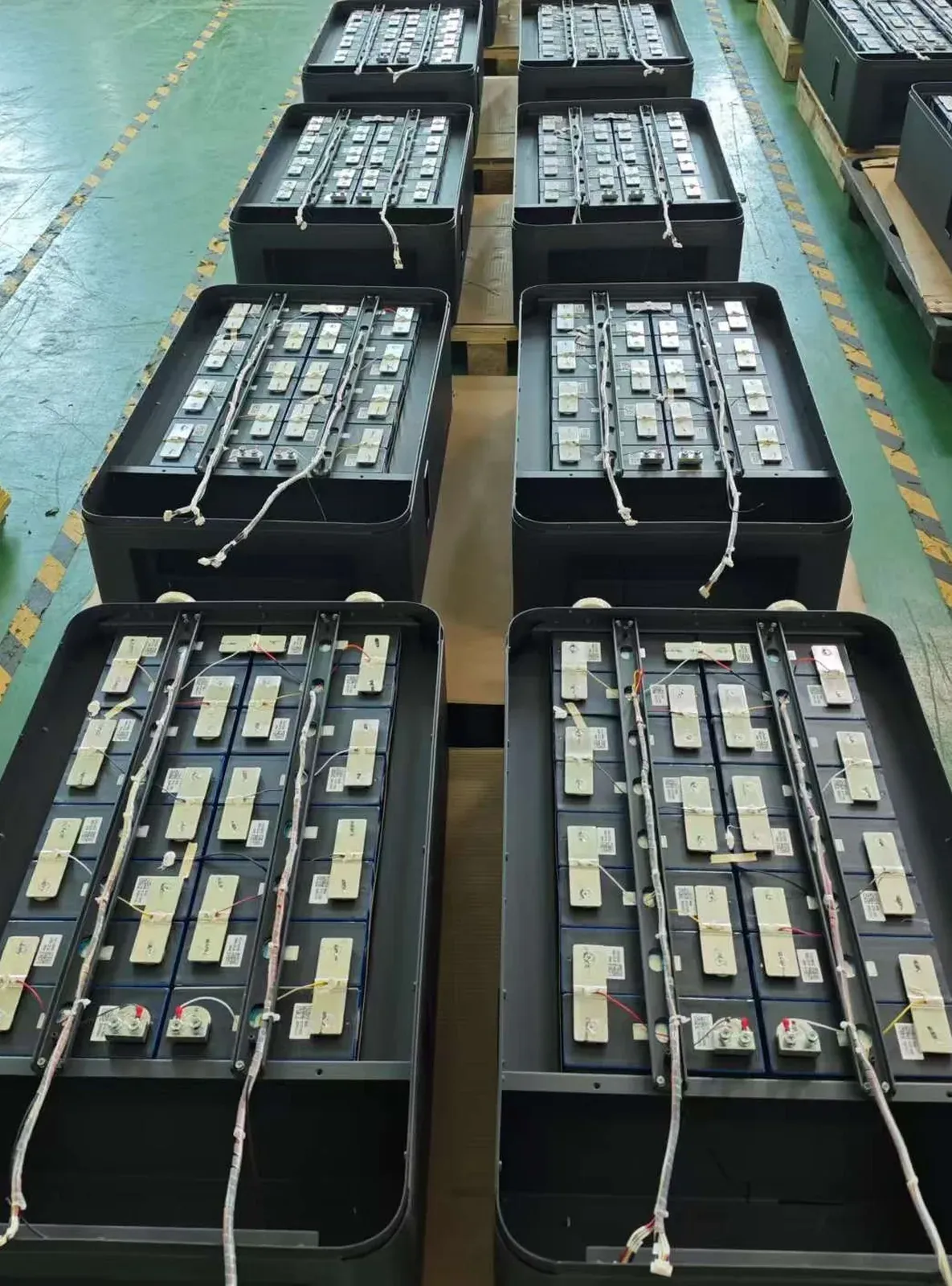
Lithium battery PACK final quality control, harness inspection, and packing process
04

Final inspection and protective packaging

Covers residue inspection, secondary insulation, voltage-balance testing, and shipment.

Full residue and appearance checkHigh-temperature fiber tape insulationPack voltage-balance testPacking and shipment

Before shipment, packs are checked for appearance, insulation, protection, and voltage balance against the project's delivery thresholds.

Delivery-state check against project thresholds

High-rate and UAV value

High-rate pouch PACK stability starts with cell matching and soldering heat control.

Drone battery packs are sensitive to cell consistency, tab soldering, insulation, and voltage balance during climb, payload changes, and high-current output. Process control reduces the risk of single-cell overheating, voltage sag, weak solder joints, and vibration-related failure.

View UAV battery packs

Cell consistency

Reduces the risk of voltage sag, heat rise, and capacity deviation under high discharge.

Vibration-resistant structure

Tape fixing, barley paper, and insulation layers help the pack tolerate flight vibration and assembly shock.

Soldering heat control

Temperature and contact-time control reduce heat transfer into pouch cells.

Manufacturing integration scope

How approved cells, structure, BMS, and delivery documents become a manufacturable PACK.

Approved cell input

Receive pouch, polymer, 18650, 21700, 32700, or project-specified cells against the approved specification.

Approved architecture transfer

Transfer the approved series-parallel layout, current path, insulation, and mechanical drawing into controlled production.

BMS and communication assembly

Assemble the protection PCB, smart BMS, NTC, SOC, CAN, RS485, or SMBus against the approved interface.

Connectors and harnesses

XT60, XT90, AS150, balance leads, power harnesses, and custom terminals.

Structure and insulation

Enclosure, fixing points, tape, barley paper, buffer layers, vibration protection, and service access.

Documents and labels

UN38.3, MSDS, shipment labels, model labels, and target-market documentation planning.

Inspection and delivery

Before delivery, consistency, safety, and documentation are checked against project thresholds.

Incoming appearance check
OCV / IR sorting
Cell coding and matching
Insulation and structure check
Solder-joint appearance check
Cell voltage-balance test
BMS function confirmation
Packing and label review

Manufacturing process FAQ

Clarify manufacturing, design-development, and document-status boundaries.

What do manufacturing proof and custom design each cover?

Manufacturing focuses on incoming inspection, matching, insulation, assembly, BMS integration, testing, traceability, and document control. Custom design covers undefined cell selection, series-parallel layout, BMS, enclosure, prototype, and production development.

Do UN38.3 or MSDS references mean every pack already has those documents?

No. Document status depends on the exact cells, PACK configuration, target market, and shipping method and must be confirmed during project review before prototyping or delivery.

What is normally checked during custom battery pack manufacturing?

Depending on the approved specification, checks can cover incoming appearance, OCV and IR, cell coding and matching, polarity, insulation, welds, mechanical fixing, BMS function, communication, charge-discharge, aging, labels, packing, and traceability.

Global delivery and project documentation

Cell, PACK, and export-document support for global OEM projects.

Staricell plans cell supply, pack engineering, BMS integration, test records, and shipment documents around each shipping country, application duty cycle, certification target, and production schedule.

Global OEM delivery

Cell supply, pack engineering, BMS integration, production testing, and export documents are planned around each buyer's shipping country, application, and volume schedule.

Certification and shipping files

Project files can cover UN38.3, MSDS / SDS, shipment labels, test summaries, and documentation paths for CE, IEC, UL, RoHS / REACH, and other requirements.

Application-duty review

Operating temperature, continuous / peak current, enclosure protection, connectors, chargers, communication interfaces, and field-service needs are reviewed before mass production.

Repeatable project records

Cell batch data, matching records, BMS settings, inspection results, and aging summaries can be aligned before sampling or pilot production.