

How to Prepare a Custom Battery Pack RFQ
Prepare a custom battery pack RFQ with application, voltage, capacity, current, runtime, envelope, BMS, connector, charger, environment, certification, validation, and quantity inputs.
A useful battery RFQ is an engineering brief, not only a voltage and capacity request. Clear inputs reduce incorrect cell selection, repeated mechanical revisions, BMS protocol mismatch, charger problems, and quotation assumptions.
Treat the RFQ as an engineering brief: application and duty cycle, voltage window, continuous vs peak current, envelope, BMS, connector, charger, environment, certification market, validation, and quantity—not voltage and Ah alone.
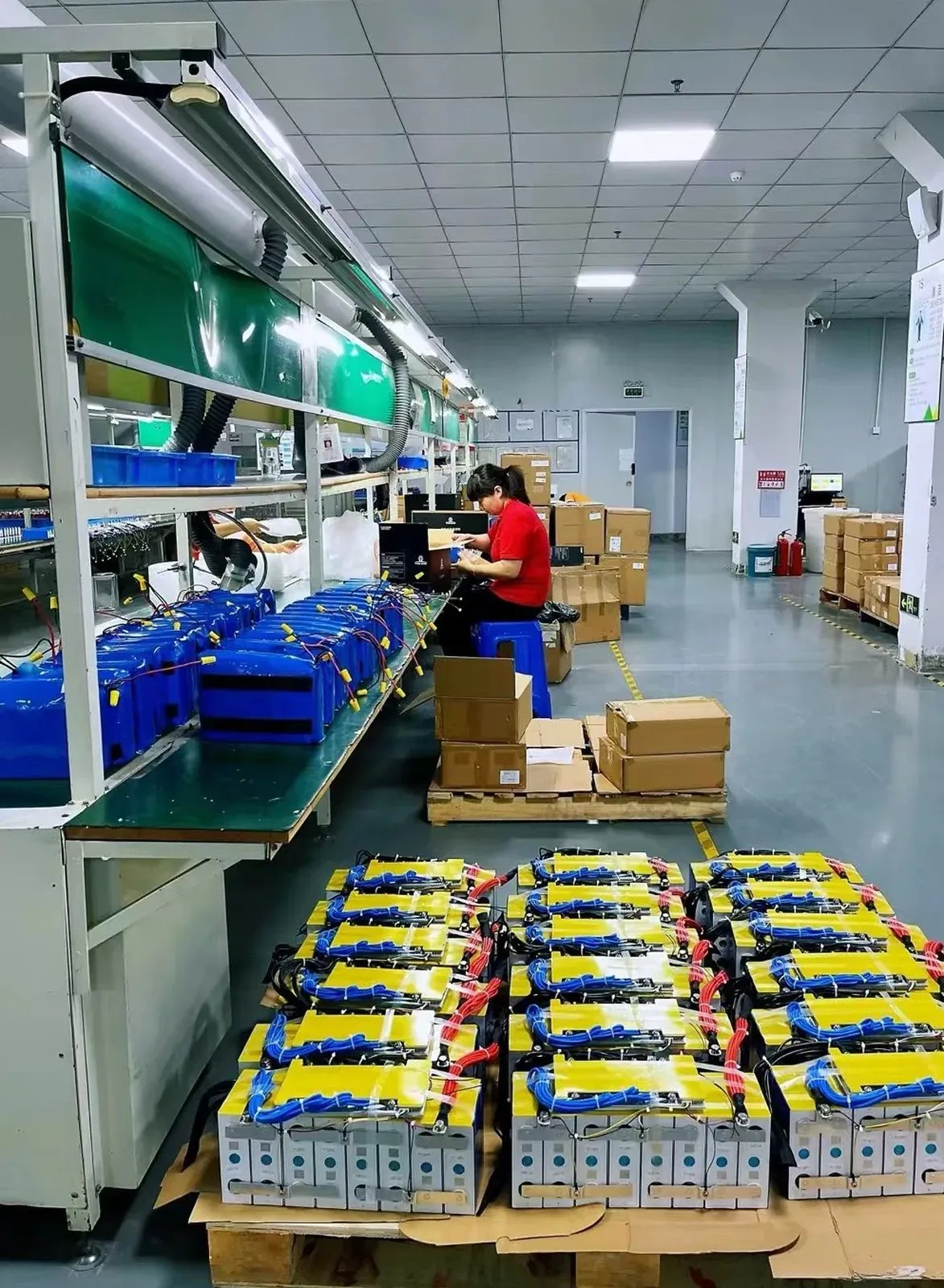
Custom battery pack assembly line where engineer-approved RFQ drawings are translated into physical builds.
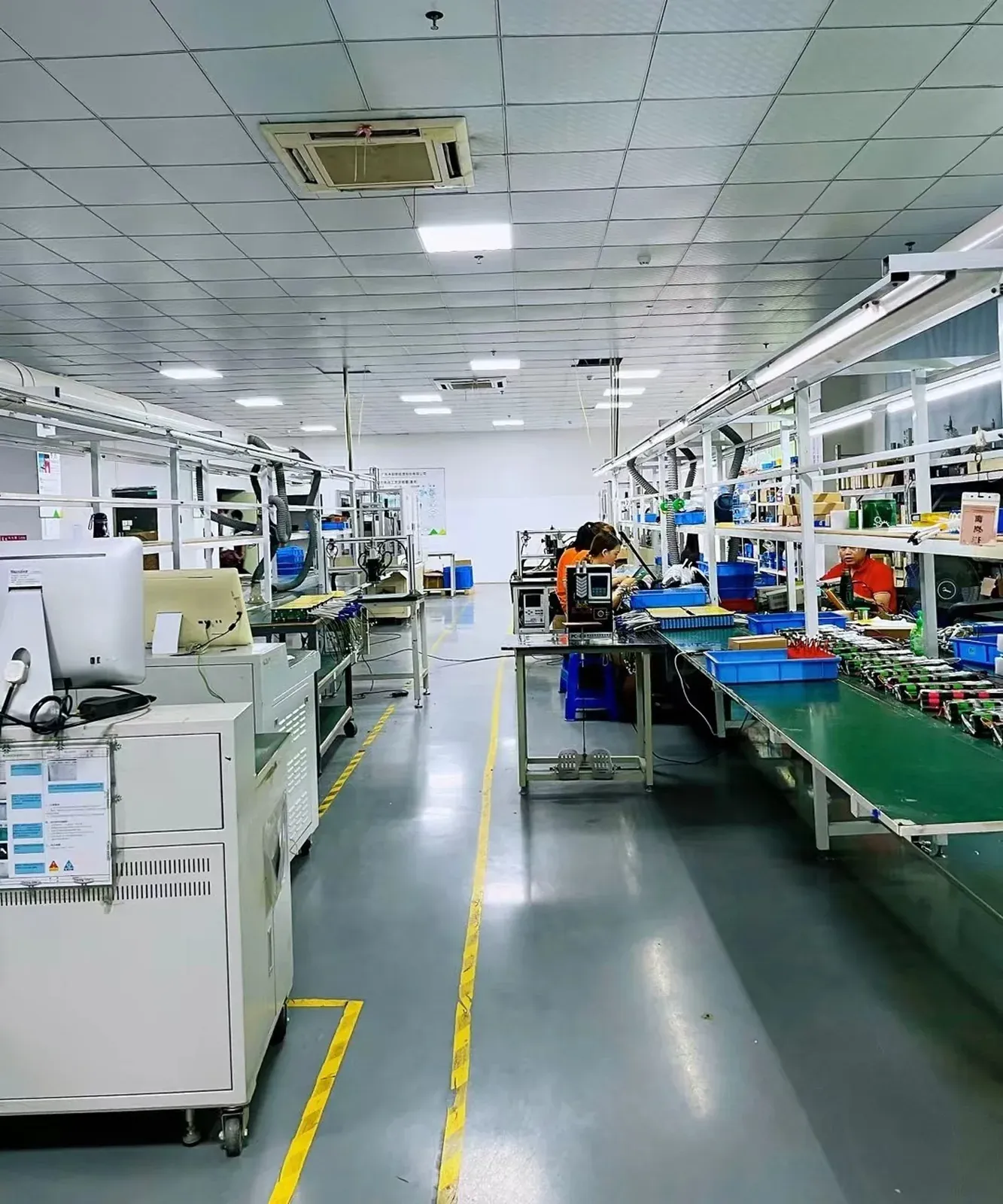
Factory workshop view showcasing orderly material staging and multi-station assembly flow.
1. Describe the equipment and duty cycle
State what the equipment does, how long it operates, how often current peaks occur, how it charges, and how the battery is installed or replaced.
-
Equipment type
-
Operating and idle time
-
Runtime target
-
Charging and service method
2. Provide electrical requirements
Provide the operating voltage window, not only a nominal voltage. Separate continuous and peak current and include pulse duration, regeneration, cutoff behavior, and charger information.
-
Voltage window
-
Capacity or runtime
-
Continuous current
-
Peak current and duration
-
Charger voltage and current
3. Define mechanical and interface boundaries
Share a drawing or maximum envelope, weight limit, mounting points, connector location, cable length, service access, enclosure target, and any shock or vibration conditions.
-
Maximum dimensions
-
Weight limit
-
Mounting orientation
-
Connector and pinout
-
Harness path
-
Enclosure and sealing target
4. Confirm BMS, validation, and commercial inputs
Define protection, SOC, communication, charger handshake, fault behavior, target market, required tests, document scope, sample quantity, annual volume, and the maturity of existing drawings or specifications.
-
CAN / RS485 / SMBus
-
Protection thresholds
-
Target certification market
-
Validation plan
-
Sample and annual quantity
-
Custom OEM or assembly-only scope
5. What missing fields force quotation assumptions
If peak current, envelope, BMS protocol, charger behavior, or certification market is missing, the quote can only assume planning bands and may change after drawings and logs arrive. Missing maturity (design vs approved drawings) also decides whether the next step is Custom OEM or assembly service.
-
No peak / pulse data → current and thermal assumptions
-
No envelope / weight → structure and cell-format assumptions
-
No protocol docs → communication assumptions
-
No market / docs → certification and shipment assumptions
6. Energy-storage delivery scope and phased RFQ inputs
Specify early whether the inquiry targets standard catalog units, a full battery-side engineering design with integrated Staricell BMS, or modular hardware for buyer BMUs. During initial technical screening, teams can evaluate both turnkey and modular scopes to determine mechanical fit. Formal engineering quotes then lock in once single-line drawings, peak duty profiles, and host protocols are finalized.
-
Integration tier: Standard catalog pack / Turnkey battery-side design / Buyer-BMU modular hardware
-
BMS ownership & mounting: Staricell integrated system, or client control board (internal or external harness)
-
PCS topology & DC window: Direct bus connection or multi-string aggregation, and inverter communication protocol
-
Commercial & technical stakeholders: Specify technical specifier vs purchasing entity if involving third-party EPCs
-
Electrical parameters: System DC voltage window, continuous / peak C-rates, and short-time surge profiles
-
Operating environment & HVAC: Indoor or outdoor installation, and presence of cabinet/room climate control
-
Fire suppression scope: Whether aerosol/gas fire suppression or inter-cell thermal barriers are in scope
-
Cycle life requirements: Specify DOD, temperature condition, and whether multiple cell tiers are evaluated
-
Delivery configuration: Loose modules for field stacking vs pre-assembled rack cabinets
-
Battery commissioning ownership: Clarify factory pre-commissioning vs on-site joint PCS commissioning roles
-
Incoterms & logistics: Trade delivery terms (e.g., EXW / FOB / DDP) and dangerous goods freight responsibilities
Engineering Baseline
Complete custom battery RFQ fields
Technical inputs recommended for engineering validation before final system architecture and quoting:
Application and duty cycle
Scope: catalog / battery-side design / module only
Who supplies the BMS
Buyer BMU internal or external interface
PCS topology and DC voltage window
Capacity / runtime
Continuous, peak, and short-time current
Temperature and parallel count
Indoor / outdoor and existing heating or cooling
Fire suppression inclusion
Cycle-life floor and test conditions
One or two cell tiers
Available envelope
Connector and harness
Inverter or host protocol
Loose modules or pre-assembled cabinet
Who commissions the battery side
Incoterms and trade terms
Certification market
Sample quantity
Annual quantity
Existing drawings and project stage
Related products and applications
Continue to the relevant product and engineering pages.
Custom OEM battery design
Design entry when cells, architecture, BMS, enclosure, or validation still need joint development.
Open Custom OEM battery design →Battery pack assembly service
Controlled assembly when approved cells, architecture, drawings, and test requirements are ready.
Open Battery pack assembly service →Manufacturing process and quality
Incoming inspection, matching, assembly, BMS integration, testing, and traceability.
Open Manufacturing process and quality →FAQ
Custom Battery Pack RFQ Preparation Checklist | Staricell
Can a custom battery pack be quoted with only voltage and capacity?
Only a rough assumption may be possible. Current, runtime, envelope, weight, BMS, connector, charger, environment, certification, validation, and quantity are needed for a meaningful engineering quotation.
Can initial technical screening evaluate both turnkey BMS and bare module options?
Yes. In the early architectural screening phase, both approaches can be compared side-by-side in terms of mechanical packaging, thermal management, interface wiring, and sample lead times to determine optimal system integration.
Which project stage fits assembly service vs. custom design?
Choose assembly when the cell, series-parallel architecture, BMS, enclosure, connector, drawings, and tests are ready for controlled production. Choose custom design when those decisions still need engineering development.
What happens if the RFQ omits peak current or protocol documents?
The team can only quote planning assumptions for current, thermal rise, harness, and communication. Those assumptions must be re-confirmed after logs, drawings, and protocol files arrive—before locking cells or BMS firmware.