Staricell lithium battery cell and custom battery pack manufacturer logo
Robot Battery Packs

Smart Robot Battery Module with CAN / RS485 BMS

75V-class smart battery modules for robots and industrial equipment that need a defined bay, CAN or RS485 reporting, charger handshake, and a repeatable module building block instead of a full custom pack.

CAN / RS48575V / 78.75V classSOC / fault reporting

Certification support

UN38.3 document reviewMSDS / SDS reviewTarget-market documentation review
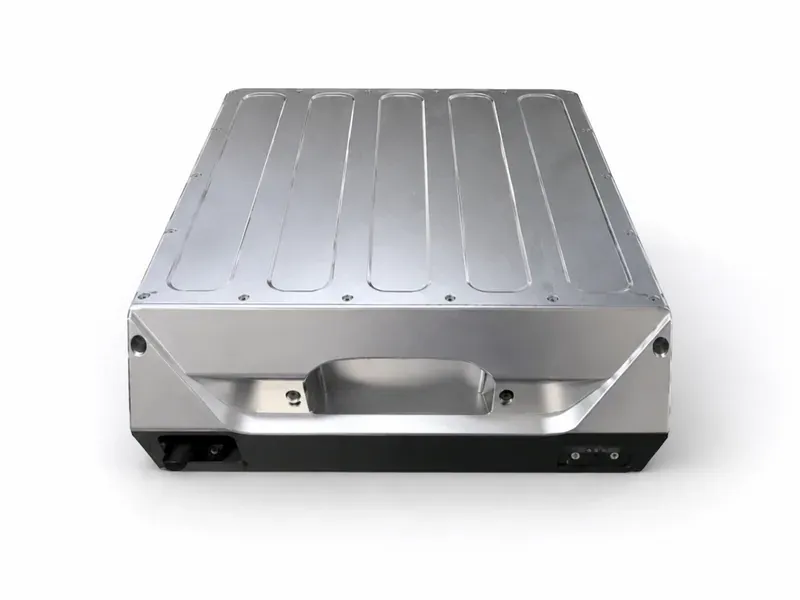
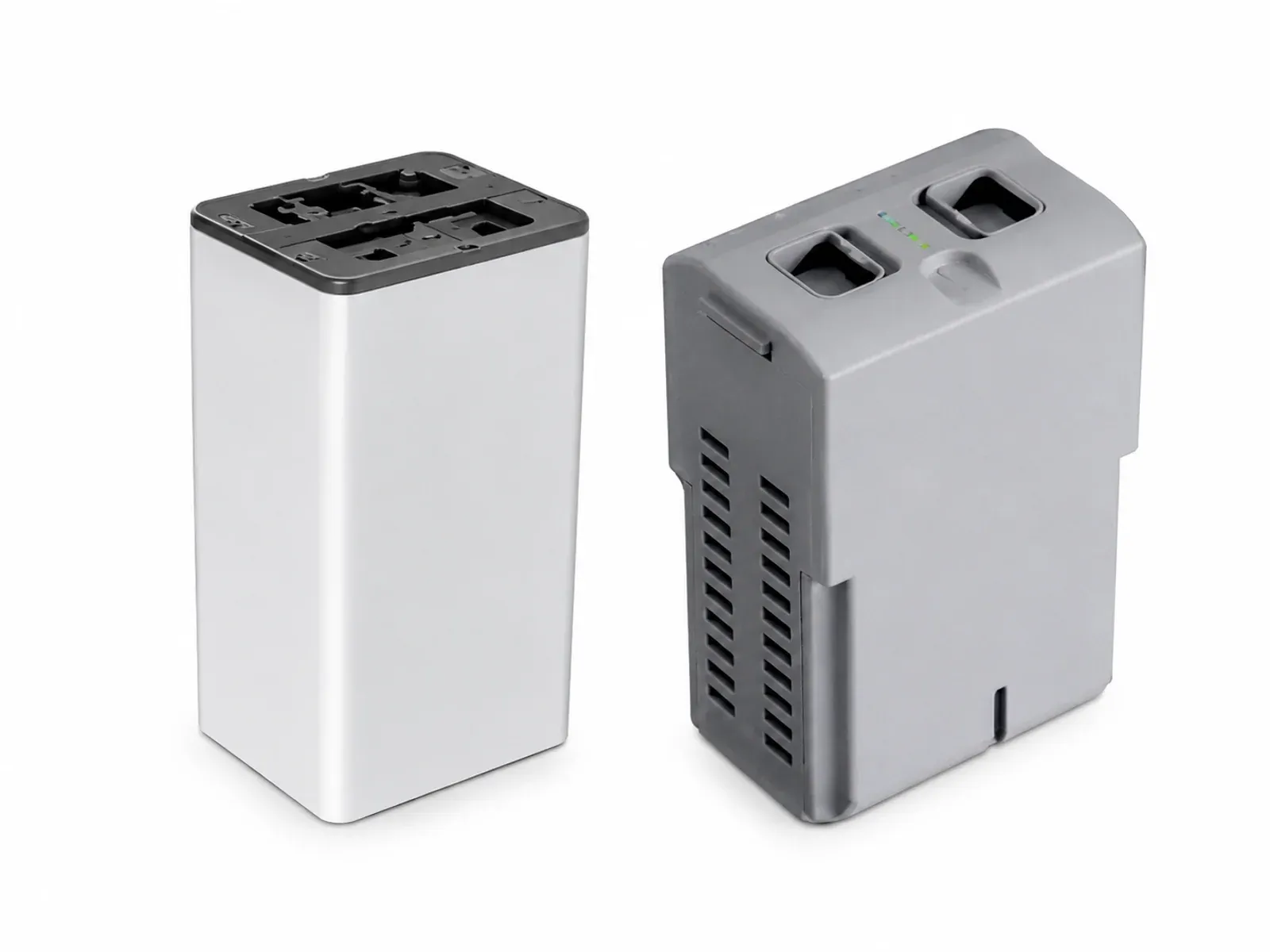
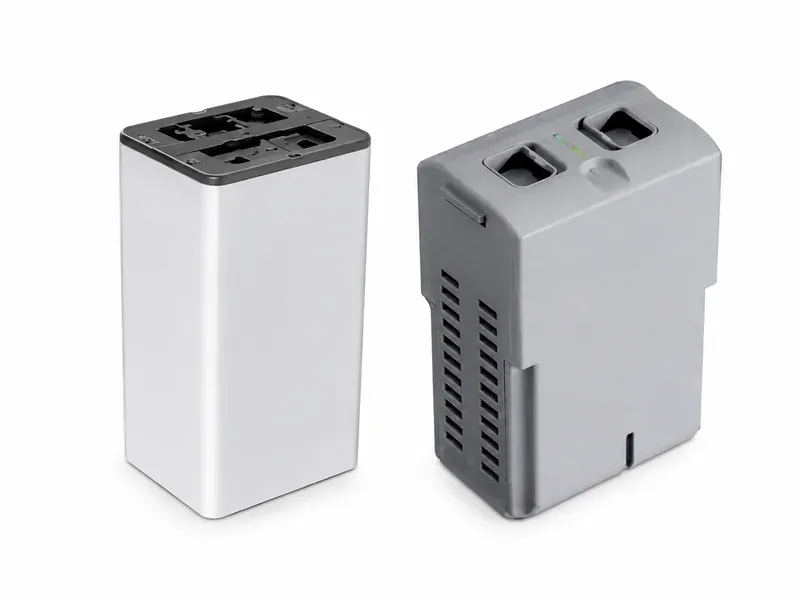
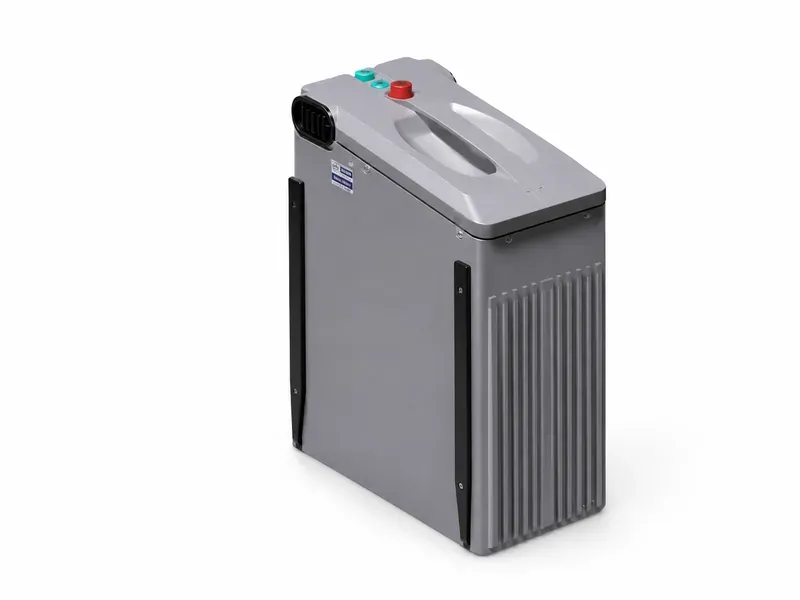
Smart robot battery modules with modular housings and BMS interfaces for controller and charger integration

Product image set

Smart robot battery modules with modular housings and BMS interfaces for controller and charger integration 1
Smart robot battery modules with modular housings and BMS interfaces for controller and charger integration 2
Smart robot battery modules with modular housings and BMS interfaces for controller and charger integration 3

Quick shortlist specs

Full specs are confirmed in the technical table

Voltage
75V / 78.75V examples
Capacity
60Ah / 90Ah examples
Chemistry
Li-ion smart module
Energy
4.5-7.1kWh examples
Max discharge
Cont/peak confirmed vs bay cooling + connector rating
Cycle life
By cell chemistry and duty cycle
Dimensions
300×360×245mm / 540×240×130mm

Product overview

Product description

75V-class smart battery modules for robots and industrial equipment that need a defined bay, CAN or RS485 reporting, charger handshake, and a repeatable module building block instead of a full custom pack.

Smart robot battery modules with modular housings and BMS interfaces for controller and charger integration

Download Technical Datasheet & Drawing

Smart Robot Battery Module

Leave your email and project requirement. We will treat the datasheet request as a high-intent RFQ and follow up with drawings and matching advice.

Accessories

Capacity upsell & related products

Communication harness
Power connector set
Matched charger
Mounting bracket
Protocol and pinout review
Robot and robot dog battery system with a rugged gray housing, top handle, power terminals, and cooling fins for mobile equipment integration
Robot dog / service robotMobile platformSmart BMS

Robot and Robot Dog Battery System

Custom battery systems for robot dogs, legged robots, service robots, warehouse robots, and compact mobile platforms that need peak-power, vibration, enclosure, and BMS communication review.

Voltage
45.5V / 48V examples
Capability
Peak/actuator events reviewed; datasheet packs ~0.7-2.1kWh class
Chemistry
Li-ion / LiFePO4 by platform
72V robot and AMR lithium battery system in a rugged enclosure for industrial mobile platform integration
72V classIndustrial robot / AMRSmart BMS

72V Robot and AMR Battery System

Custom 72V-class battery systems for industrial robots, AMRs, autonomous mobile robots, and higher-power equipment that need runtime, current, charger, harness, and BMS communication review.

Voltage
72V-class examples
Capability
Continuous vs peak / regen reviewed with fuse–MOS / contactor path
Chemistry
Li-ion / LiFePO4 by platform
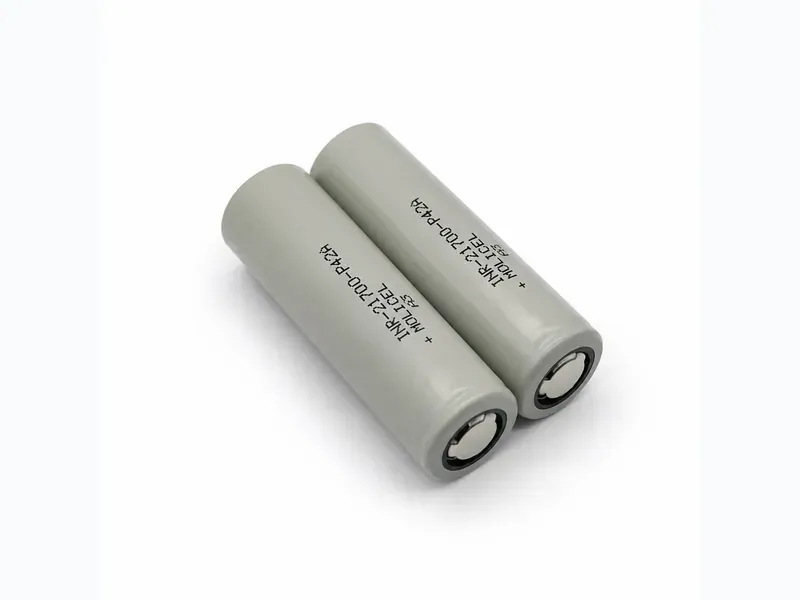
21700 cylindrical lithium battery cell for custom OEM battery pack selection and series-parallel design
21700Energy / power / high-rateBMS / communication

Custom 21700 Battery Pack

Custom 21700 cylindrical lithium battery packs for OEM equipment that need higher cell capacity, fewer parallel groups, series-parallel architecture, enclosure, connector, BMS, and validation planning in one project path.

Voltage
6S / 12S / custom examples
Cell platform
21700 Li-ion / NMC by project
Integration
Cell + BMS + PACK

Product FAQ

Smart Robot Battery Module

When should a project use a smart module instead of a full custom pack?

Use a smart module when the bay is already defined, CAN or RS485 reporting is required, and a repeatable block helps integration or service. Use a full custom pack when envelope, weight distribution, or duty cycle cannot fit a module form factor.

Can modules be paralleled for higher energy?

Parallel expansion can be reviewed when BMS current sharing, harness gauge, connector rating, charger behavior, and protection strategy are aligned. Do not assume unlimited parallel count from datasheet energy alone.

Can the module protocol match an existing robot controller?

Usually yes. Review the host protocol, CAN or RS485 map, baud rate, node ID, charger behavior, SOC reporting, and fault codes before sampling.

What information is needed for a module review?

Share bay and mounting orientation, voltage window, capacity or runtime, continuous and peak current, connector pinout, charger behavior, CAN or RS485 map, SOC and fault requirements, sealing or vibration conditions, and sample quantity.