

Cell vs Module vs Battery Pack
Define cell, module, and PACK delivery for industrial buyers—what each scope includes, which capabilities the buyer must own, and how RFQ fields change.
Industrial battery sourcing often fails when buyers request a “battery” without stating whether they need cells, a module, or a finished PACK. Each delivery level shifts ownership of series-parallel design, BMS, enclosure, connectors, testing, and logistics documents.
Cells are matched electrochemical units; modules add mechanical grouping and often intermediate interconnects; PACKs add enclosure, BMS, connectors, protection, and shippable integration. Buy cells only with in-house pack capability. Buy modules when your team owns final enclosure and system integration. Buy PACKs when you need a ready equipment interface. State the delivery definition before quotation.
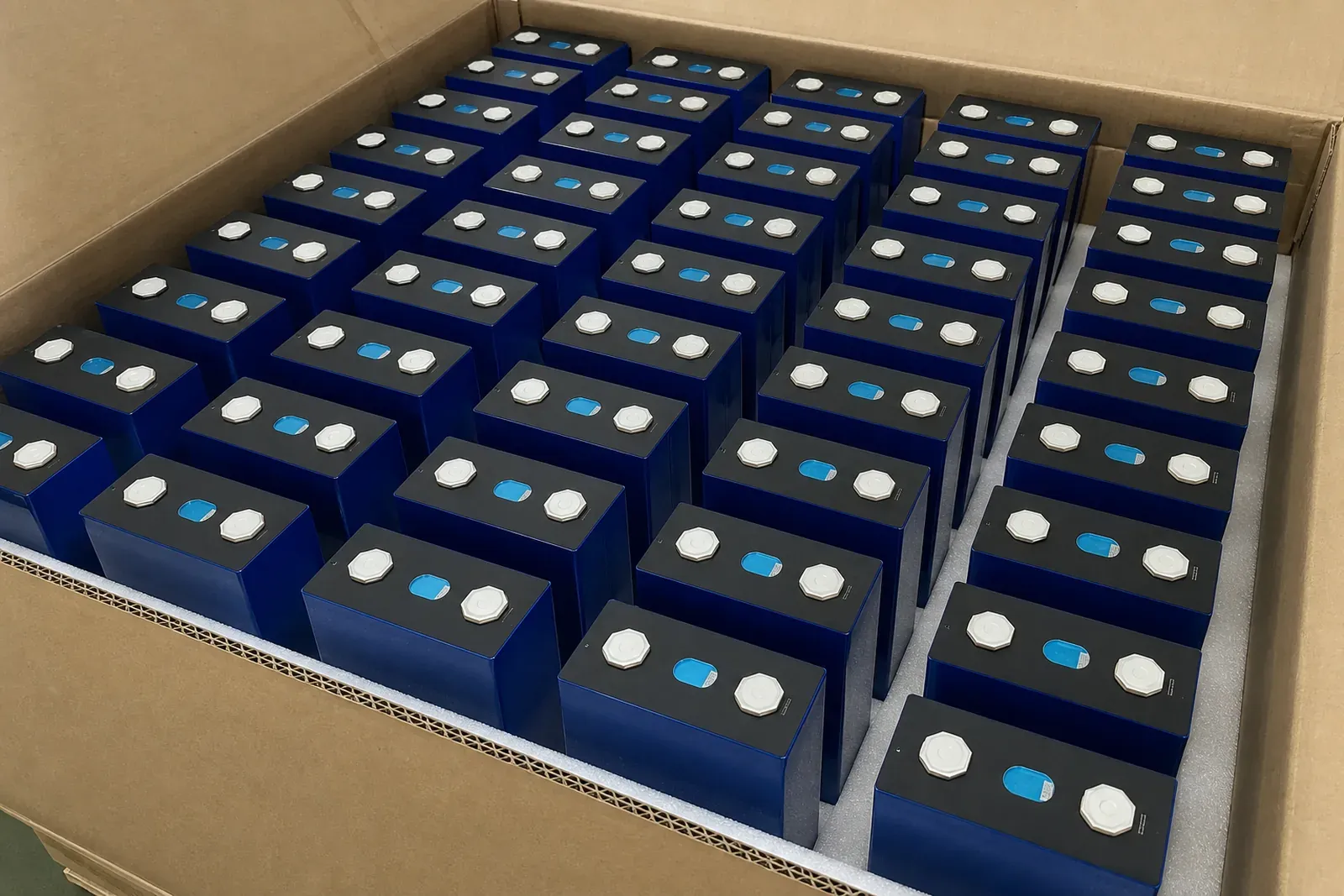
Cell level: Individual prismatic cells before matching and grouping.
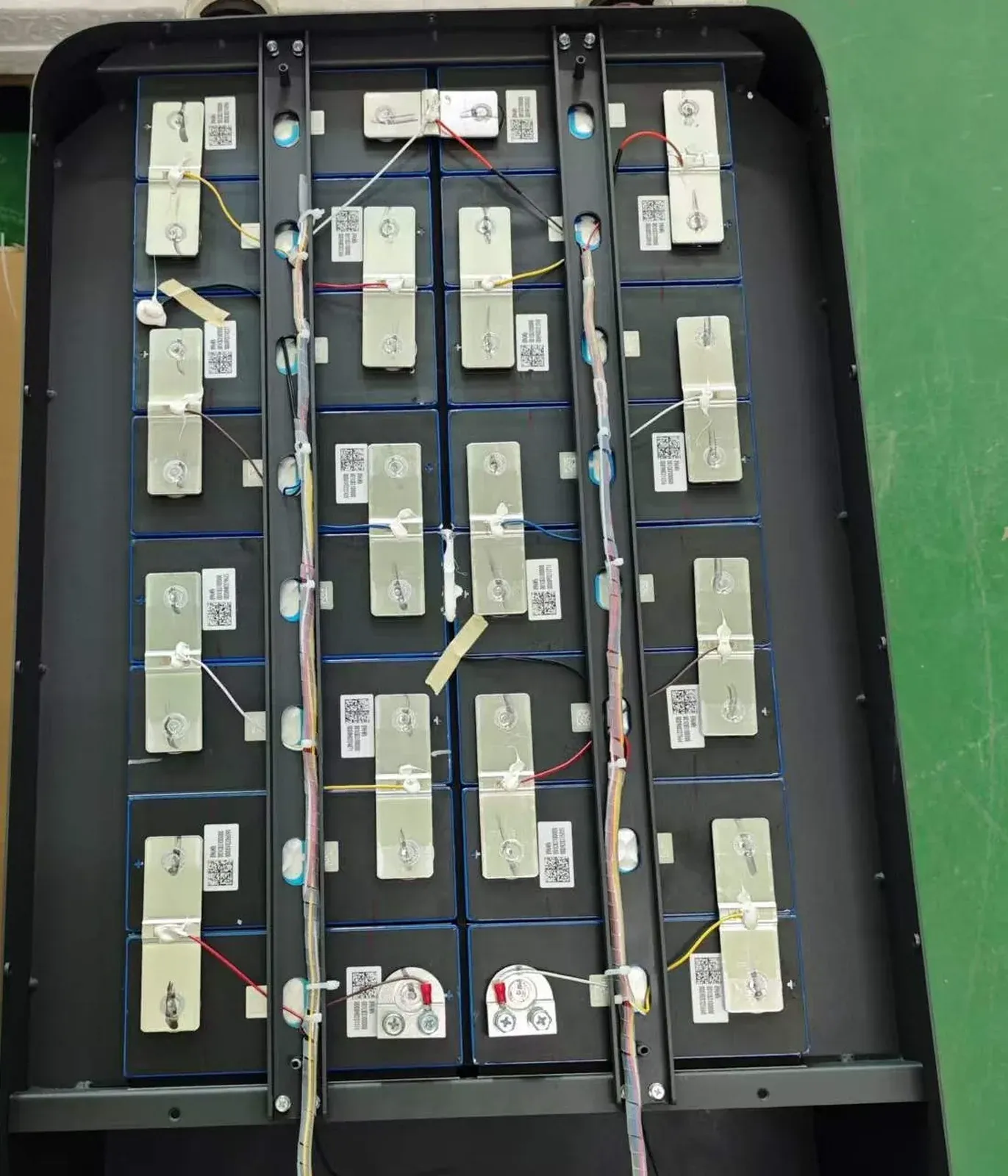
Module level: Cells laser-welded with busbars and cell barcodes visible.
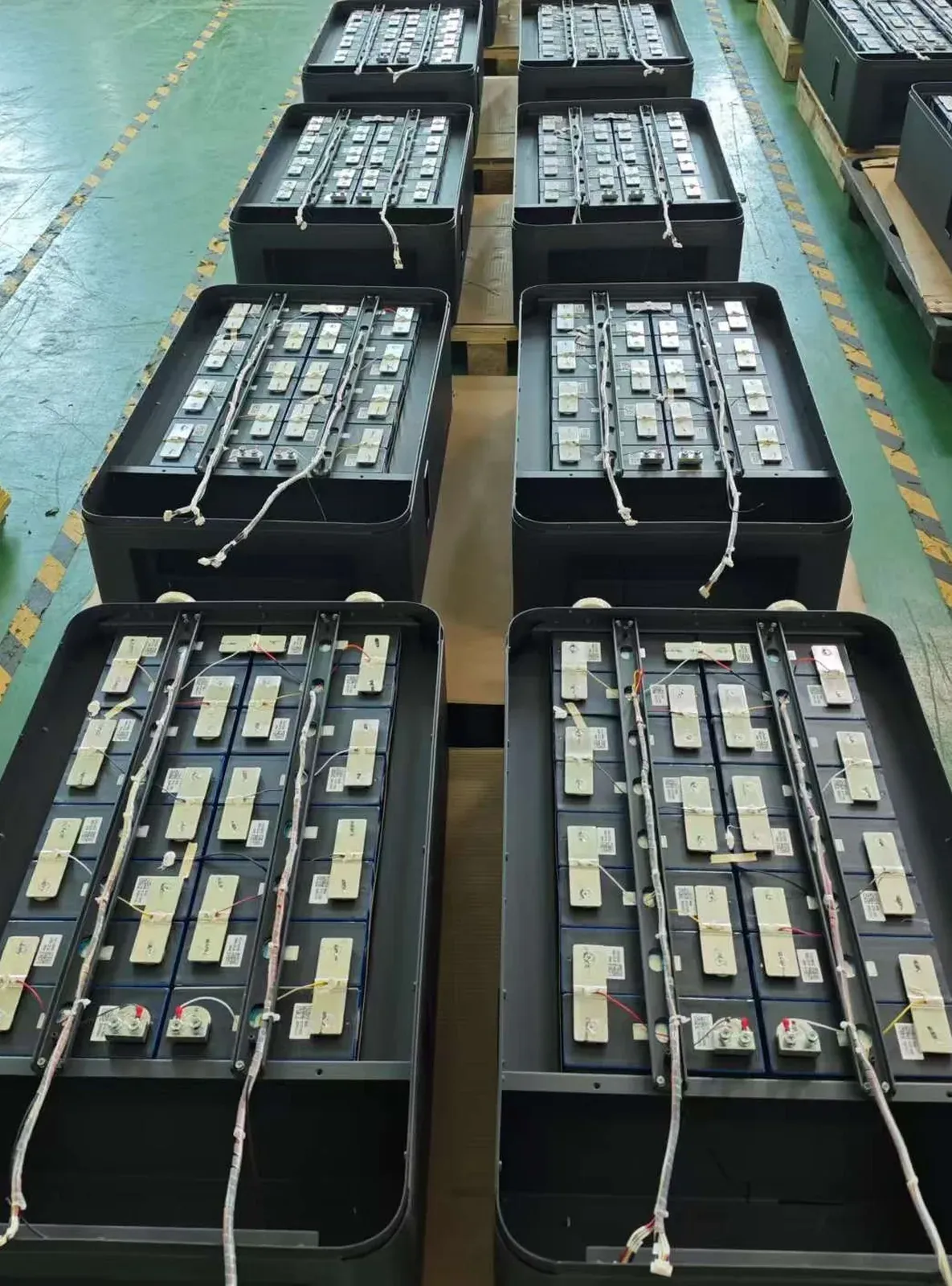
Pack level: Fully integrated battery system inside protective enclosure with BMS and terminals.
1. Cell delivery: electrochemical units only
Cell delivery means matched cells or cell lots with agreed form factor and lot controls. The buyer owns series-parallel design, interconnect process, BMS, enclosure, harness, and most pack-level validation.
-
Form factor and matching criteria
-
Incoming inspection ownership
-
Buyer-owned PACK process capability
-
No finished connector or enclosure assumed
2. Module delivery: grouped building blocks
Modules typically include cells, mechanical framing, and defined interconnects, sometimes with sensing harness stubs. Final PACK enclosure, system BMS strategy, and equipment connectors may still sit with the buyer.
-
Module envelope and terminal definition
-
Sense-line and balance access
-
Buyer responsibility for final enclosure and system BMS
-
Interface drawings required before sampling
3. PACK delivery: equipment-ready integration
A PACK is the shippable battery system with enclosure, BMS, protection, connectors, labeling, and agreed test gates—the common path when the equipment interface must work without in-house pack engineering.
-
Enclosure, sealing, and mounting
-
BMS communication and protection thresholds
-
Connector pinout and charger handshake
-
Factory test report and traceability scope
4. Buyer capability decides the correct scope
If your team cannot own welding quality, insulation, BMS firmware behavior, or pack thermal validation, do not buy cells as if they were finished batteries. Move to module or PACK delivery, or open Custom OEM / assembly service according to drawing maturity.
-
In-house pack process? → cell or module possible
-
Approved drawings ready? → assembly service review
-
Architecture still open? → Custom OEM
-
Need equipment interface only? → PACK route
5. RFQ implications by delivery level
Quotes are not comparable across cell, module, and PACK scopes. State delivery definition, interface drawings, test ownership, and document needs explicitly.
-
Delivery level written in the RFQ header
-
Who owns BMS / enclosure / connector
-
Which tests are included vs buyer-owned
-
Logistics document scope if PACK shipment is required
6. ESS delivery: module, Staricell BMS, or buyer BMU
For stationary storage, name one of four levels before quoting: cells, a module with connectors, a battery that includes a Staricell BMS, or a module prepared for the buyer's BMU. A system builder can buy the welded module or the finished battery instead of installing its own weld line. Volume, weld consistency, and certification timing decide which.
-
Staricell BMS battery: protection, balancing, and communication included
-
Buyer BMU module: internal mounting or an external connector
-
Same mechanical interface can carry two cell tiers
-
Quotes across these levels are not comparable until the level is named
Engineering Baseline
Delivery-scope RFQ checklist
Technical inputs recommended for engineering validation before final system architecture and quoting:
Requested delivery: cell / module / PACK
Buyer-owned process capabilities
Voltage window and current profile
Envelope and mounting
BMS ownership and protocol
Connector and pinout
Test gates included in scope
Document and labeling needs
Sample and annual quantity
Project stage: design vs approved drawings
Related products and applications
Continue to the relevant product and engineering pages.
Industrial battery product center
Confirm modular industrial delivery bands, then continue to logistics or OEM routes.
Open Industrial battery product center →Industrial logistics applications
Forklift, AGV, and warehouse duty-cycle selection tied to delivery scope.
Open Industrial logistics applications →Custom OEM battery design
Open when cell / module / PACK architecture still needs joint development.
Open Custom OEM battery design →Battery pack assembly service
Controlled assembly when approved cells, drawings, and tests are ready.
Open Battery pack assembly service →Quality and validation
Inspection, matching, and pack test evidence before locking delivery scope.
Open Quality and validation →FAQ
Cell vs Module vs Battery Pack Delivery | Staricell
Can a cell quote be compared with a PACK quote?
No. Cells omit enclosure, BMS, connectors, pack tests, and often logistics documents. Normalize delivery scope before comparing price or lead time.
Which page should buyers open after choosing PACK delivery?
Open the industrial battery center for catalog routes, industrial logistics for duty-cycle scenarios, Custom OEM if architecture is still open, or assembly service when drawings are approved.
When is module delivery better than full PACK?
When your team owns the final enclosure, equipment connector, and system-level BMS or integration, and only needs a controlled cell group as a building block.