

UN38.3 vs MSDS / SDS for Lithium Batteries
A clear technical guide distinguishing UN38.3 transport safety testing from MSDS/SDS workplace hazard communication, explaining how certification packages are planned and executed for custom lithium battery projects.
UN38.3 test summaries and Safety Data Sheets (SDS, historically MSDS) fulfill fundamentally different regulatory functions. UN38.3 provides engineering evidence that lithium cells and packs withstand the physical, thermal, and electrical stresses of international transit, whereas SDS communicates chemical composition and handling precautions under GHS workplace standards.
UN38.3 is a mandatory dangerous-goods transport testing standard proving battery mechanical and electrical integrity during transit. SDS (Safety Data Sheet) is an occupational health and hazard-communication document detailing chemical constituents and emergency measures. They serve distinct compliance gates and cannot substitute for one another. In custom OEM/ODM projects, Staricell coordinates accredited testing and delivers tailored certification packages once cell chemistry, series-parallel topology, and physical packaging are locked.
External Standards & References
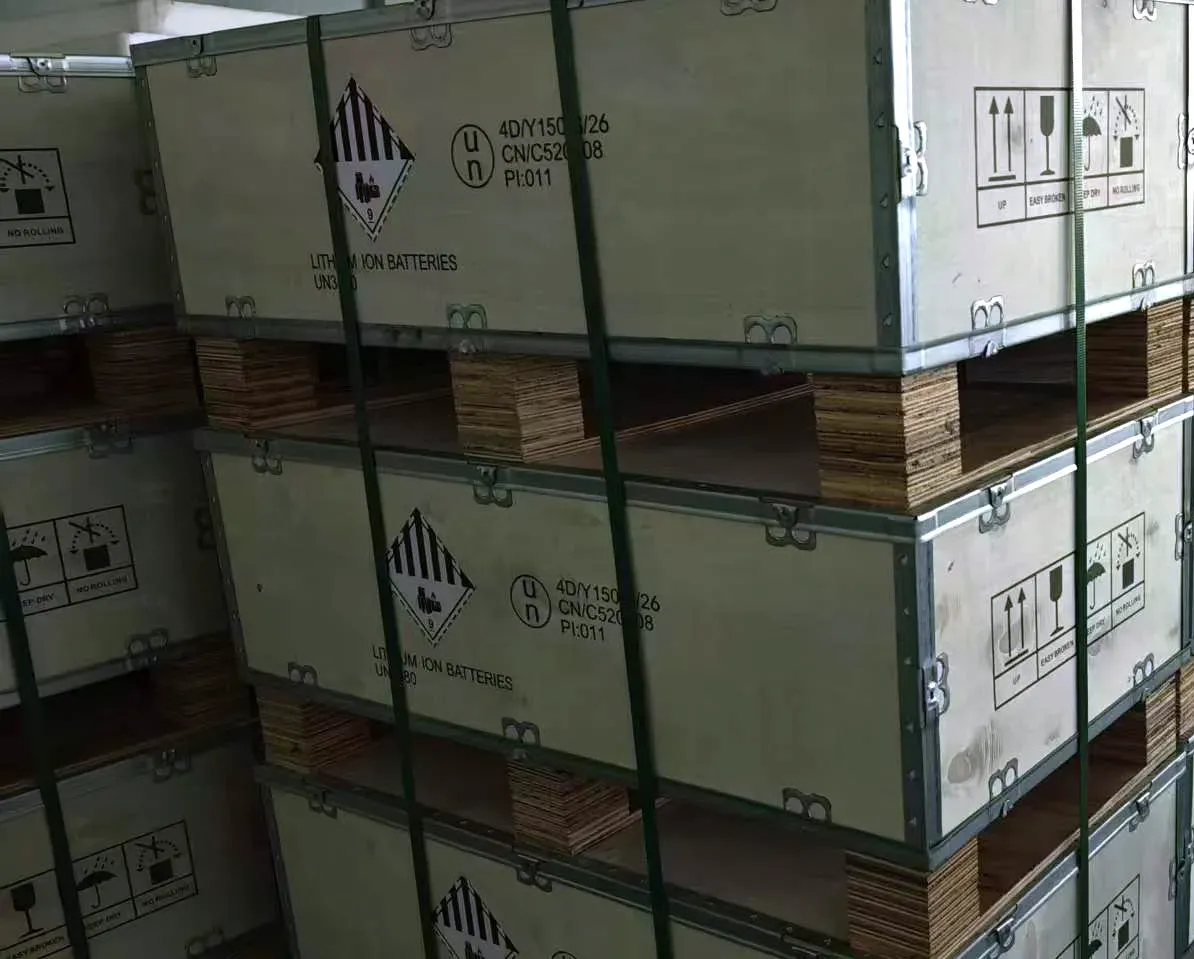
Official UN package certification stamp (4D/Y150/S/26) and Class 9 label verified alongside UN38.3 test paperwork.
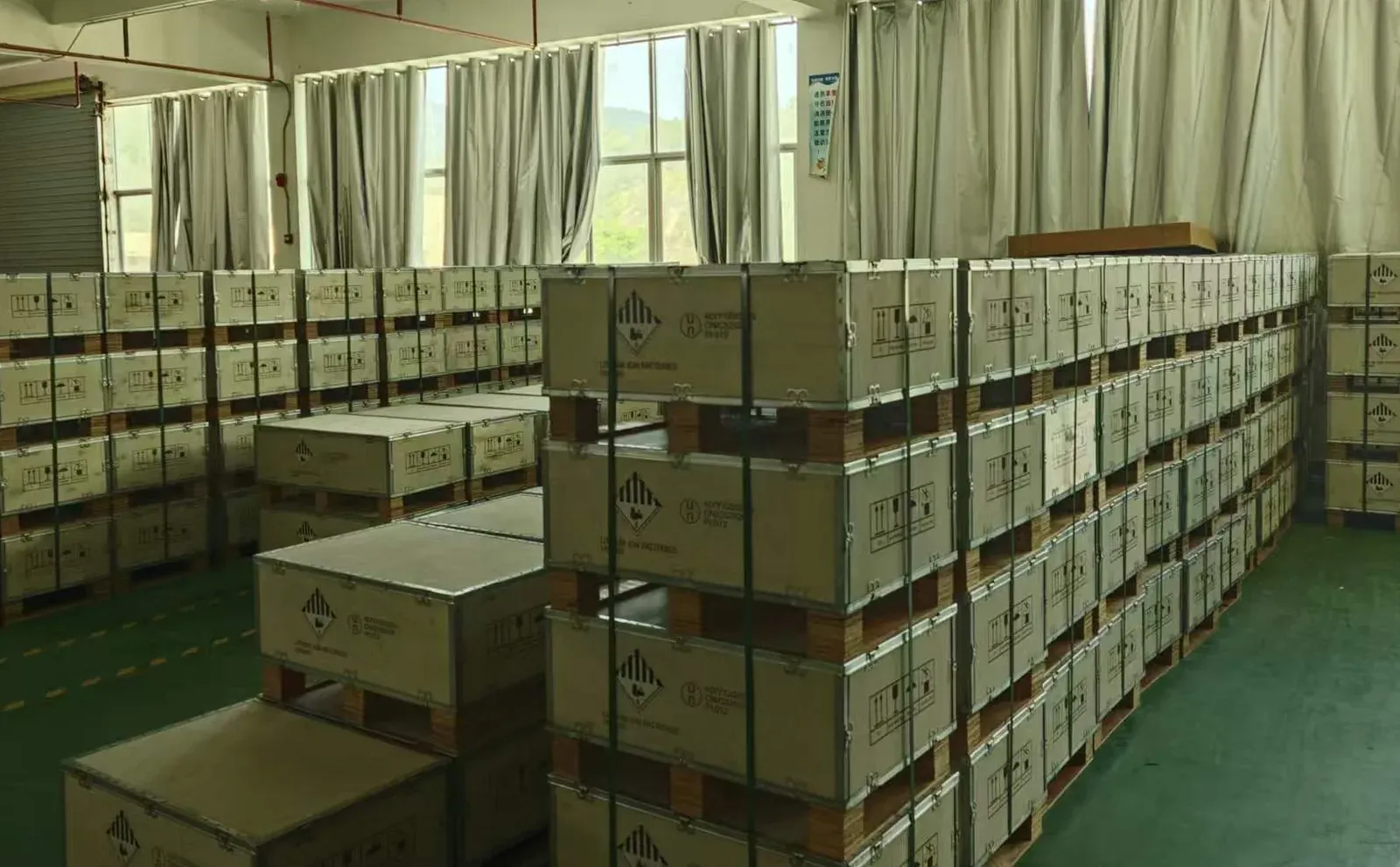
Finished battery packs staged next to matching UN crates before final pallet strapping.
1. What UN38.3 is for
UN38.3 refers to lithium battery transport testing criteria within the UN Manual of Tests and Criteria, used when planning whether a cell or battery design can move under applicable dangerous-goods transport frameworks. It is not a workplace SDS substitute.
-
Mandatory transport testing for lithium cells and assembled packs
-
Strictly tied to frozen cell chemistry and mechanical packaging
-
Gateway for air (ICAO/IATA) and ocean (IMDG) dangerous goods booking
-
Complements rather than replaces SDS workplace safety data
2. What MSDS / SDS is for
SDS (Safety Data Sheet)—historically called MSDS—communicates hazard classification, handling, storage, and emergency information. In many jurisdictions it follows GHS-aligned section structures.
-
Workplace and handling information
-
GHS-aligned section expectations where applicable
-
Not proof of UN38.3 transport-test completion
-
Must match the actual product composition and labeling plan
3. Why buyers confuse the two documents
Procurement checklists often list “UN38.3 + MSDS” as one line item. That creates false confidence: a transport-test plan and a hazard sheet serve different stakeholders and different gates.
-
Shipping gate ≠ workplace gate
-
Cell-level vs PACK-level document scope can differ
-
Market destination changes which rules apply
-
Missing configuration identity invalidates both requests
4. Aligning certification deliverables with project architecture
Compliance documentation is strictly tied to the tested physical unit—cell, subassembly module, or complete pack with BMS. In custom OEM projects, Staricell coordinates with accredited laboratories to test and issue dedicated UN38.3 summary reports and destination-specific certifications once the BOM and mechanical envelope are frozen.
-
Identify exact physical shipping object (cell, module, or turnkey pack)
-
Specify target destination countries and transport modes (air/sea/rail)
-
Coordinate laboratory test timeline alongside prototype tooling
-
Issue model-specific UN38.3 summary and transport appraisal certificates
5. RFQ fields that unblock document planning
Useful requests name the product configuration, packing method, destination markets, and whether the buyer needs transport-test evidence, SDS, or both.
-
Configuration / BOM identity
-
Destination country and transport mode
-
Whether cell, module, or PACK is shipped
-
Which documents are must-have for PO release
Engineering Baseline
UN38.3 and SDS planning checklist
Technical inputs recommended for engineering validation before final system architecture and quoting:
Exact cell / module / PACK configuration
Target market and transport mode
Net mass and packing method assumptions
UN38.3 evidence needed? yes / no
SDS needed? yes / no
Labeling and marking plan owner
Lab or document lead-time expectation
PO gate that requires each document
Project stage and change-control rule
Related products and applications
Continue to the relevant product and engineering pages.
Quality and validation
Evidence and inspection pathways before locking project documentation scope.
Open Quality and validation →Manufacturing process and quality
Process gates that feed traceability and document readiness planning.
Open Manufacturing process and quality →Custom battery pack RFQ checklist
Capture market, certification, and validation fields before document requests.
Open Custom battery pack RFQ checklist →Engineering FAQs hub
Return to engineering FAQ articles for related selection and compliance planning.
Open Engineering FAQs hub →FAQ
UN38.3 vs MSDS/SDS for Lithium Batteries | Staricell
Does an SDS prove UN38.3 compliance?
No. SDS communicates hazards for handling and workplace use. UN38.3 concerns transport-test criteria for lithium cells or batteries.
Where should official regulatory context be checked?
Use the UNECE dangerous-goods transport hub for UN transport framework context, and OSHA Hazard Communication materials for SDS / GHS workplace communication context. Project rules still depend on destination market and carrier requirements.
Does a loose module share the same UN38.3 report as a pre-assembled cabinet?
No. A standalone module and a pre-assembled battery cabinet with high-voltage BMS and switchgear are classified as distinct test objects under UN38.3 regulations. When shipping modules for on-site rack assembly, testing is conducted on the standalone module unit. For turnkey energy storage cabinets, the complete cabinet assembly must undergo its own independent transport certification.