

CAN vs RS485 for Robot Battery BMS
Compare CAN and RS485 for robot battery BMS integration, including message architecture, diagnostics, wiring, controller compatibility, charger behavior, and RFQ inputs.
CAN and RS485 are both used in smart battery systems, but the interface name alone does not define compatibility. The controller, physical layer, baud rate, message map, data scaling, update rate, fault logic, charger behavior, and termination must be agreed before a prototype can communicate reliably.
Both CAN and RS485 are used in smart packs, but the port name alone is not compatibility. Confirm physical layer, baud rate, message or register map, scaling, update rate, fault logic, charger handshake, and termination before sampling.
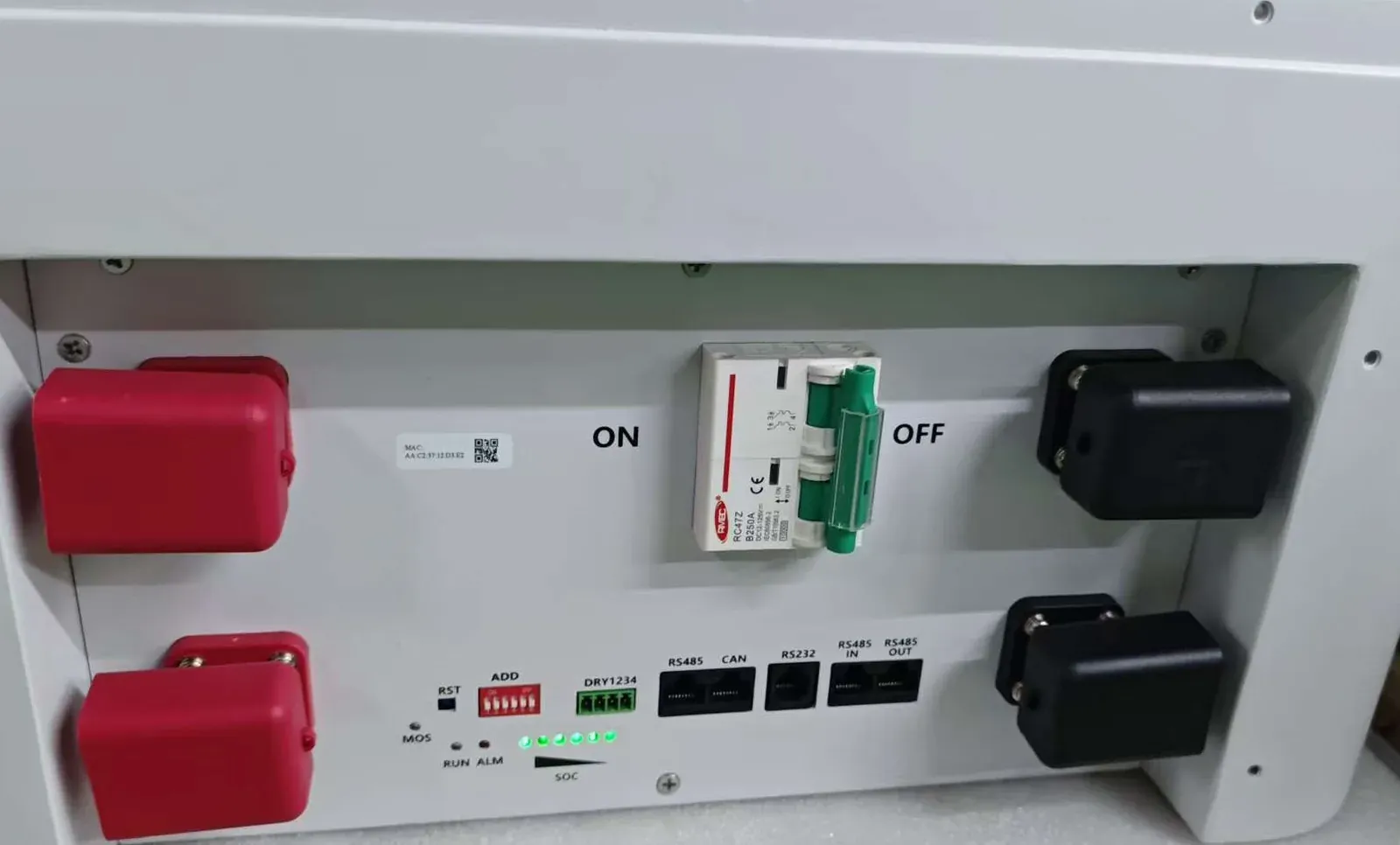
Dual CAN/RS485 industrial communication ports and circuit breaker interface on a customized battery system.
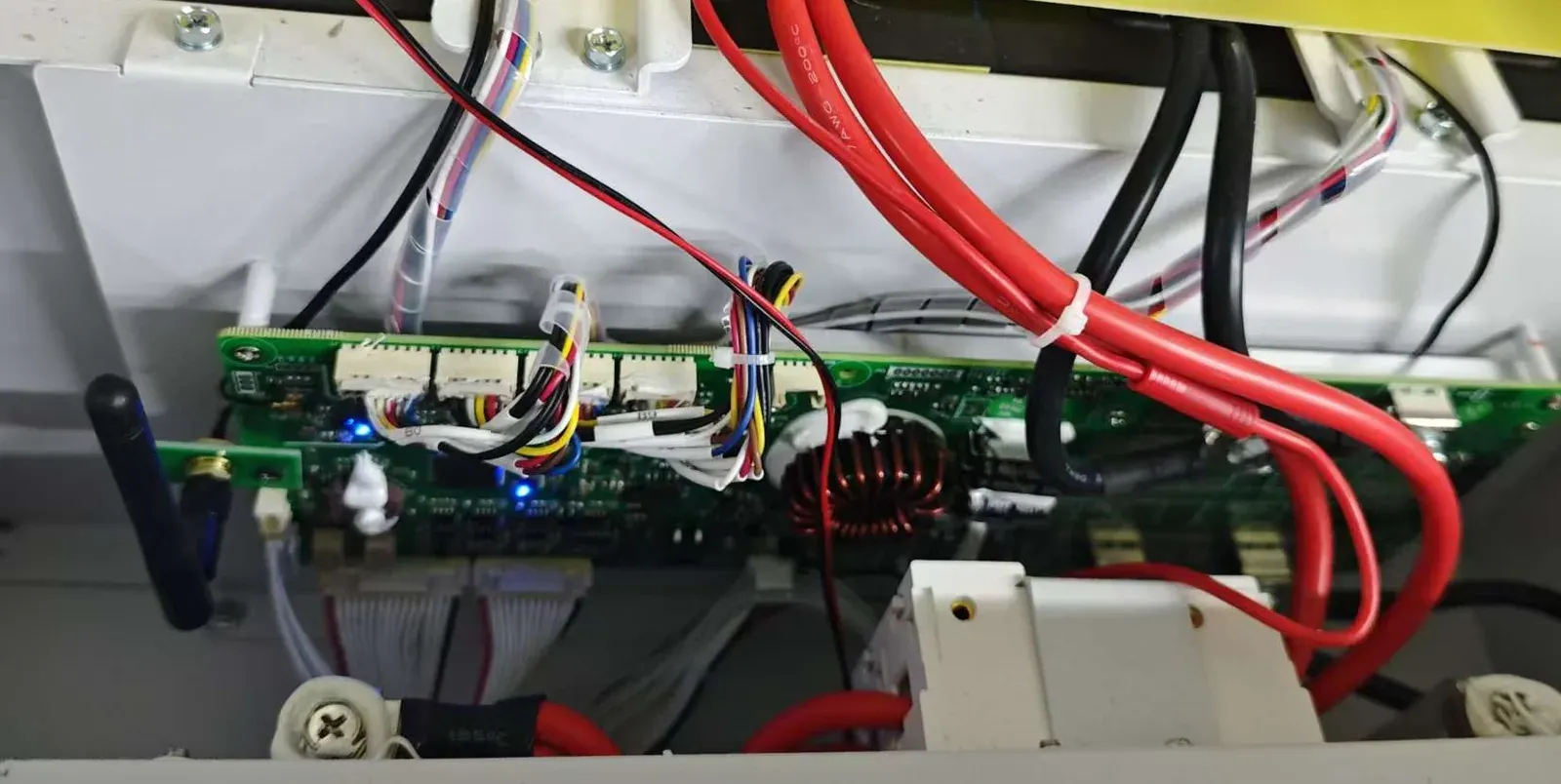
BMS circuit board integration showing isolated communication lines and voltage sensing wiring.
CAN: multi-node and fault-aware integration
CAN is often selected when the battery participates in a vehicle-style controller network and needs prioritized messages, arbitration, and robust fault handling.
-
Message identifiers and priorities
-
Bus termination
-
Heartbeat and timeout logic
-
SOC, current, temperature, faults, and charger states
RS485: defined master-slave or register exchange
RS485 is useful when the robot controller or charger uses a defined polling protocol or register map. Compatibility depends on the application protocol, not only the electrical layer.
-
Master and slave roles
-
Baud rate and frame format
-
Register or command map
-
Addressing, timeout, and retry behavior
Compatibility information required before sampling
A BMS cannot be described as compatible only because it has a CAN or RS485 port. Provide controller and charger protocol documents and define which side owns contactor, charge, and shutdown decisions.
-
Protocol document and sample frames
-
Data units, scaling, and byte order
-
Required update rate
-
Fault, derating, shutdown, and recovery behavior
Compatibility decision checklist
Treat the interface as compatible only when every item below is confirmed in writing. If any item is missing, quotation and sampling should stay at protocol review—not SKU lock-in.
-
Physical layer and connector pinout match
-
Baud rate / frame timing agreed
-
Message or register map exchanged
-
SOC / fault / charger ownership defined
-
Heartbeat, timeout, and recovery tested in plan
Choose by system architecture, not keyword
CAN is not automatically better than RS485, and RS485 is not automatically simpler. Select the interface that matches the host controller, charger, diagnostics, service tools, cable length, node count, and existing software. Open the smart-module SKU only after the protocol brief is clear enough for product review.
-
Host-controller support
-
Charger and dock integration
-
Fleet diagnostics
-
Firmware ownership and future updates
Engineering Baseline
Communication RFQ checklist
Technical inputs recommended for engineering validation before final system architecture and quoting:
CAN or RS485 physical layer
Protocol and message map
Baud rate
Node address
SOC and fault signals
Charger messages
Heartbeat and timeout
Termination and connector pinout
Firmware update responsibility
Related products and applications
Continue to the relevant product and engineering pages.
ESS battery system scope
This page answers robot protocol compatibility. BMS, PCS, and EMS roles for storage are on the ESS scope guide.
Open ESS battery system scope →Smart robot battery module
Product review after protocol comparison—CAN, RS485, SOC, and fault reporting.
Open Smart robot battery module →Custom battery packs for robotics
Open product routes and the smart-module SKU after protocol comparison.
Open Custom battery packs for robotics →Custom OEM development
Start protocol and BMS integration review for an equipment project.
Open Custom OEM development →Quality and BMS validation
Review how communication, protection, and pack tests are verified before production.
Open Quality and BMS validation →FAQ
CAN vs RS485 for Robot Battery BMS | Staricell
Can any CAN battery connect to any robot controller?
No. Physical layer, baud rate, identifiers, message map, scaling, timing, fault logic, and connector pinout must match.
When should buyers open the smart-module product page?
After the protocol brief, pinout, and ownership of charge / fault decisions are clear enough for SKU review. Stay on this page while the interface choice or message map is still undefined.
Can one battery support both CAN and RS485?
It can be reviewed if the selected BMS hardware, firmware, connector, isolation, power budget, and host requirements support both interfaces.