

How to Identify Genuine Grade-A Lithium Cells: QR Code Decoding, Batch Reports & Anti-Counterfeiting
Engineering guide to identifying genuine Grade-A lithium battery cells. Learn how to decode original laser QR codes, spot refurbished or B-grade cells, and verify batch COA test reports.
The global surge in lithium battery demand has intensified a persistent supply chain vulnerability: substandard, downgraded, or retired second-life cells masquerading as brand-new Grade-A product. For battery pack builders, integrating even a few disguised Grade-B cells drastically shortens pack cycle life, triggers unpredictable warranty claims, and poses severe thermal safety hazards. Genuine Grade-A status cannot be verified merely by cosmetic appearance or supplier verbal claims. It requires systematic forensic inspection: decoding original laser matrix barcodes, auditing batch Certificate of Analysis (COA) test distributions, and examining physical terminal integrity.
To reliably verify genuine Grade-A cells, perform a three-step forensic audit: First, scan and decode the permanent 24-character laser-etched DataMatrix QR code to confirm original manufacturer ID, manufacturing facility, cathode chemistry, and production date within the current freshness window. Second, inspect physical indicators: pristine factory laser-welded terminal surfaces (no post-grinding scars, no re-welded stud marks) and intact flat explosion vents. Third, cross-reference batch sample measurements against the factory COA: genuine Grade-A batches show tightly clustered Gaussian distributions with 1 kHz AC-IR delta ≤ 0.3mΩ and OCV delta ≤ 3mV after static rest.
External Standards & References
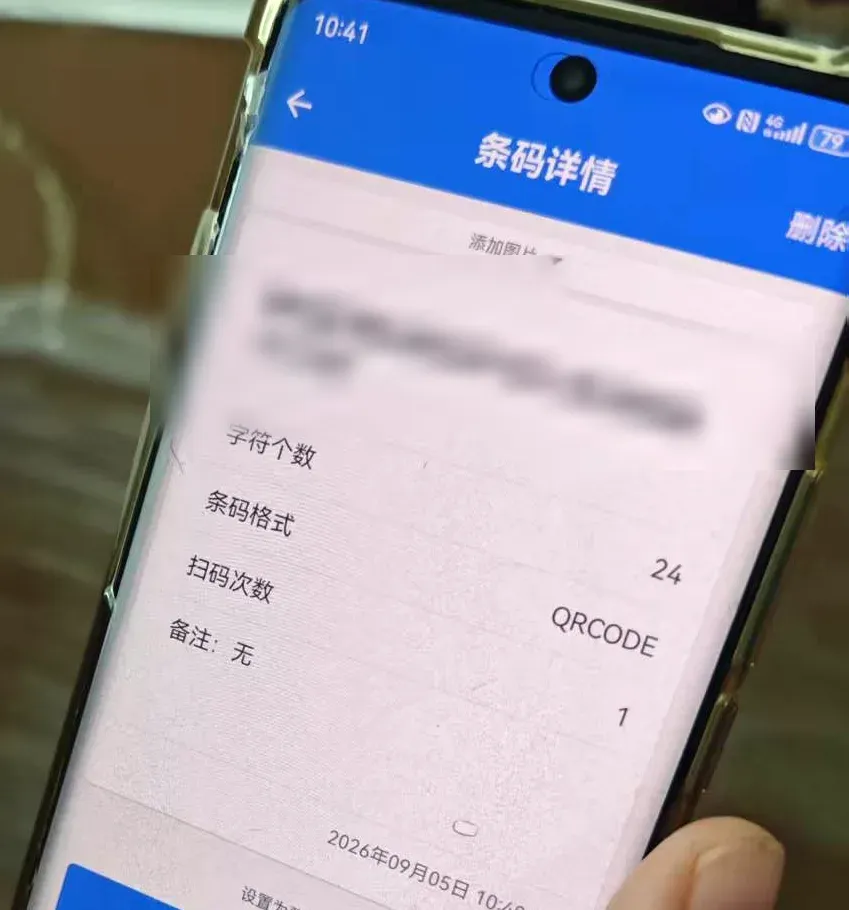
Every incoming cell undergoes laser QR decoding to verify manufacturing date, factory code, and serial continuity against the manufacturer registry.
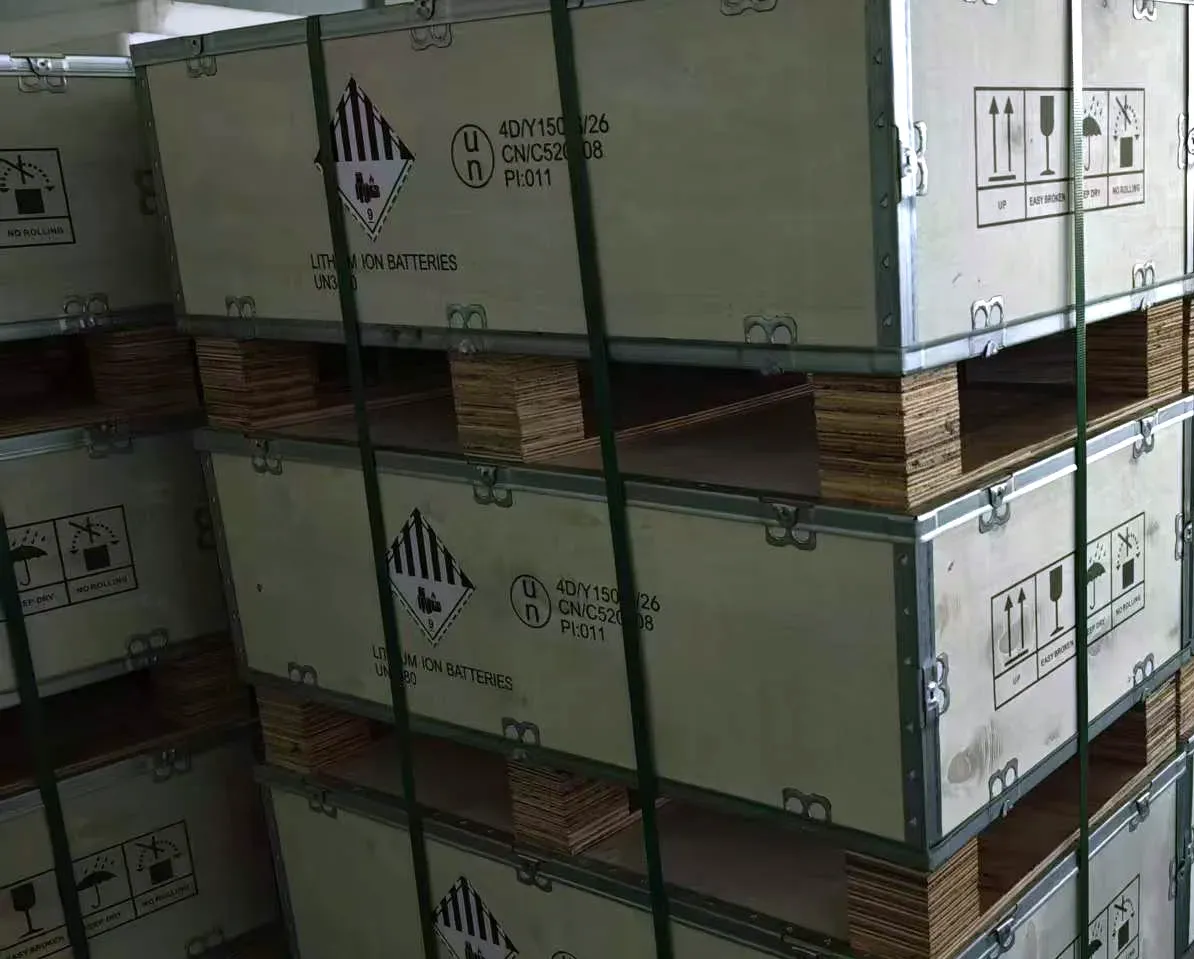
Genuine Grade-A cell shipments carry formal UN38.3 test summaries, authentic MSDS certificates, and compliant UN3480 outer labeling.
1. The Forensic Hierarchy: Grade-A vs Grade-B vs Retired Second-Life
The industrial market separates lithium cells into three distinct tiers that unscrupulous brokers frequently blur. Grade-A cells satisfy 100% of the manufacturer's rigid quality specifications across capacity, AC-IR, DC-IR, K-value, cosmetic dimensions, and weld joint integrity, carrying full factory technical backing. Grade-B cells failed one or more end-of-line grading gates (such as borderline self-discharge, slight capacity derating, or minor surface flaws); the original manufacturer deliberately scrubs its warranty and disposes of them at steep discounts. Second-life cells are retired from electric vehicles or decommissioned field arrays, chemically degraded, and cosmetically refurbished for re-sale.
-
Grade-A: 100% factory datasheet compliance, tight Gaussian consistency, full warranty
-
Grade-B: Minor defect in capacity, self-discharge, or appearance; no manufacturer warranty
-
Second-life: Chemically worn from prior duty, erratic internal resistance, severe fire risk
-
Never mix Grade-A and Grade-B cells within the same series-parallel pack
2. Decoding the 24-Character Laser DataMatrix QR Code
Virtually all Tier-1 lithium cell manufacturers laser-etch a standardized 24-character DataMatrix code directly onto the top aluminum cover or cell can (governed by standards like GB/T 34014). This code is not a generic serial number; it is an encrypted physical birth certificate. By decoding the character string using an industrial scanner, technical buyers can verify the core production metadata.
-
Characters 1–3: Original manufacturer identifier code (audited against factory registry)
-
Characters 4–7: Product specification code and chemistry classification (LFP vs NMC)
-
Characters 8–9: Manufacturing facility / production line location code
-
Characters 10–13: Year, month, and day of manufacture (identifies stale inventory)
-
Characters 14–24: Unique sequential serial number for traceability database lookup
3. Spotting Counterfeit & Re-Lasered Codes
Disreputable suppliers frequently grind away original Grade-B QR codes and laser-etch fake Grade-A serial numbers onto the pole surface. Counterfeit marks exhibit telltale microscopic imperfections: original factory laser ablation penetrates the aluminum oxide layer cleanly with crisp, high-contrast, uniform square dots. Re-lasered codes typically show shallow, blurry dot margins, residual grinding scratches beneath the matrix, or uneven background reflectivity.
-
Look for surface grinding textures or uneven depressions around the QR area
-
Verify serial continuity across consecutive cells unpacked from the same carton
-
Check for re-lasered text fonts that mismatch original factory typography
-
Inauthentic cells often feature identical duplicate serial numbers across multiple units
4. Physical Hardware Red Flags: Grated Poles, Re-welded Studs, and Swollen Vents
Beyond the QR code, the physical condition of cell terminals and vents provides undeniable evidence of past usage. Disassembled second-life cells originally had busbars welded to their terminals; removing them requires high-speed grinding wheels that leave telltale radial abrasions, reduced terminal thickness, or heat tinting. Look closely at the safety explosion vent: genuine Grade-A vents are mirror-flat with zero deformation, whereas cycled or abused cells show bulging or micro-ruptured vent membranes.
-
Terminal grinding marks: Diagonal or circular scratches from angle grinders
-
Terminal thickness: Shaved down poles that fail nominal height tolerances
-
Re-welded studs: Solder spatters or uneven MIG/TIG weld seams on poles
-
Explosion vent: Any bulging, indentation, or sealing ring discoloration indicates distress
5. Auditing Batch Test Certificates (COA) Against In-House Measurements
Authentic Grade-A shipments are backed by a certified factory Certificate of Analysis (COA) detailing the exact 1 kHz AC-IR, open-circuit voltage, and capacity of every serialized cell. When goods arrive, engineering teams should pull a 5% to 10% random sample and perform independent 4-wire Kelvin AC-IR and OCV checks. In genuine Grade-A lots, measured values cluster tightly around the COA mean in a sharp Gaussian curve; wide dispersion or multimodal distributions prove that the lot is mixed-grade scrap.
-
Draw a statistically valid random sample (AQL Level II inspection)
-
Measure 1 kHz AC-IR under 25°C controlled temperature
-
Check lot delta: ΔIR ≤ 0.3mΩ and ΔV ≤ 3mV across the sample
-
Verify official UN38.3 Test Summary issued by accredited CNAS/ILAC laboratory
Engineering Baseline
10-Step Grade-A Cell Forensic Verification Checklist
Technical inputs recommended for engineering validation before final system architecture and quoting:
Decode 24-character laser QR matrix with handheld scanner
Confirm manufacturer code and production plant identity
Verify production date falls within acceptable freshness window
Check serial number continuity across same-carton inventory
Inspect pole surface for angle grinder scratches or shaved height
Examine explosion safety vent for bulging or micro-distortions
Measure 1 kHz AC-IR on 5-10% random sample with 4-wire Kelvin probe
Verify sample AC-IR delta ΔIR ≤ 0.3mΩ against factory COA records
Measure resting OCV to confirm voltage delta ΔV ≤ 3mV
Verify UN38.3 test summary and certified Class 9 transport documentation
Related products and applications
Continue to the relevant product and engineering pages.
Lithium Cell Grading & Sorting Standards
Understand OCV, AC-IR, capacity tolerances and K-value self-discharge math.
Open Lithium Cell Grading & Sorting Standards →Grade-A Cell Sourcing & Precision Matching Service
Direct access to verified Grade-A cells with batch traceability and tab welding.
Open Grade-A Cell Sourcing & Precision Matching Service →UN38.3 vs MSDS/SDS for Lithium Batteries
Understand critical international shipping and compliance documentation.
Open UN38.3 vs MSDS/SDS for Lithium Batteries →FAQ
How to Identify Genuine Grade-A Lithium Cells: QR Code & Forensic Inspection | Staricell
Can a phone camera app decode the 24-character laser QR code?
Standard phone camera apps can sometimes decode the DataMatrix format, but high surface reflectivity on brushed aluminum often causes focus failures. We recommend an industrial 2D barcode scanner (such as Honeywell or Zebra DPM imagers) configured with Direct Part Mark (DPM) illumination algorithms for reliable character extraction.
Why do some vendors grind off original cell QR codes?
Original manufacturers mandate that downgraded Grade-B cells or un-warranted surplus lots have their QR codes destroyed to protect their brand and prevent warranty fraud. When vendors grind off or re-laser these codes, they are almost certainly trying to pass off discounted B-grade or retired cells as premium Grade-A.
What should an engineering team do if sample AC-IR delta exceeds 0.5mΩ?
An AC-IR delta exceeding 0.5mΩ across the same shipment lot strongly indicates mixed-bin sorting, B-grade contamination, or aging deterioration. Quarantine the entire shipment immediately, request the vendor's original production lot grading logs, and avoid welding these cells into high-voltage series strings until lot homogeneity is confirmed.
How can I verify if an official UN38.3 test report is genuine?
Every UN38.3 Test Summary must cite a specific testing laboratory, report number, and exact cell model. Check that the testing laboratory is accredited under ISO/IEC 17025 (e.g., CNAS, ILAC-MRA). Contact the issuing laboratory or use their online verification portal with the report number to cross-reference the registered applicant and cell specifications.